
CASE STUDY
- Patient: Carl
- Treatment: Implant-Supported Bridge, Three Missing Teeth
- Technique: Digital planning. Two implants supporting a three-unit fixed bridge.
- Treating Clinician: Dr Nikhil Oberai MSc · GDC No. 150126
- Presenting Situation: Three missing teeth. Wanted a fixed, natural-looking, functional replacement.
- Outcome: Two implants placed. Three-unit bridge secured. Natural aesthetic result. Full eating function restored.
Three missing teeth. Two implants. One fixed bridge that looks and feels exactly like the real thing.
Carl’s case is a good example of something patients are often surprised to learn: you do not always need one implant per missing tooth. With the right planning and positioning, two implants can support a bridge spanning three missing teeth, providing the same stability, the same aesthetics, and the same function as individual implants, at a more efficient cost and with less surgical intervention.
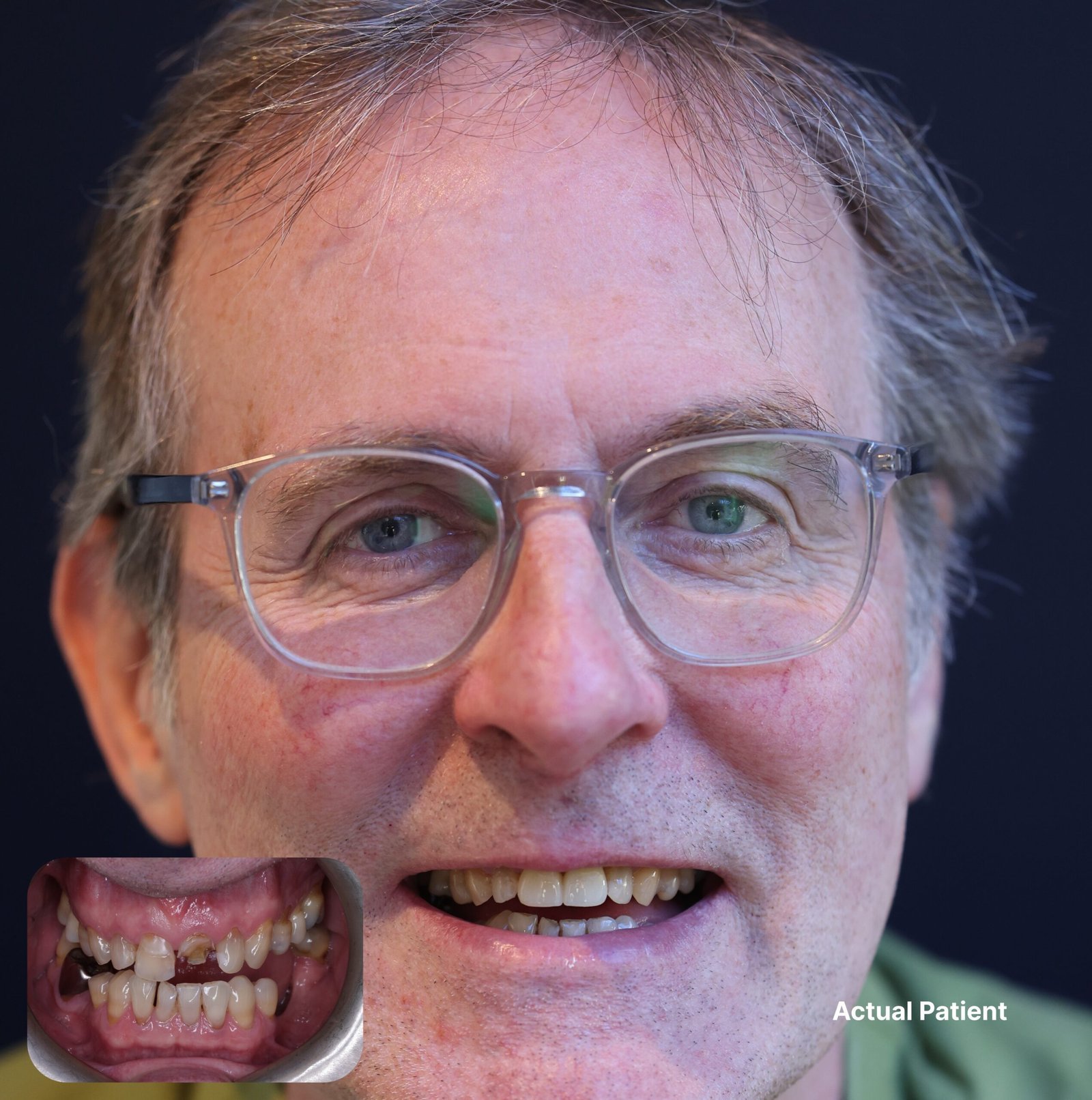
Carl came to see me with three missing teeth and wanted them replaced with something fixed and natural-looking. Digital planning allowed us to position the two implants precisely so the three-unit bridge would be optimally supported. The result, as the photographs show, is exactly what he was looking for. Natural. Functional. Permanent.
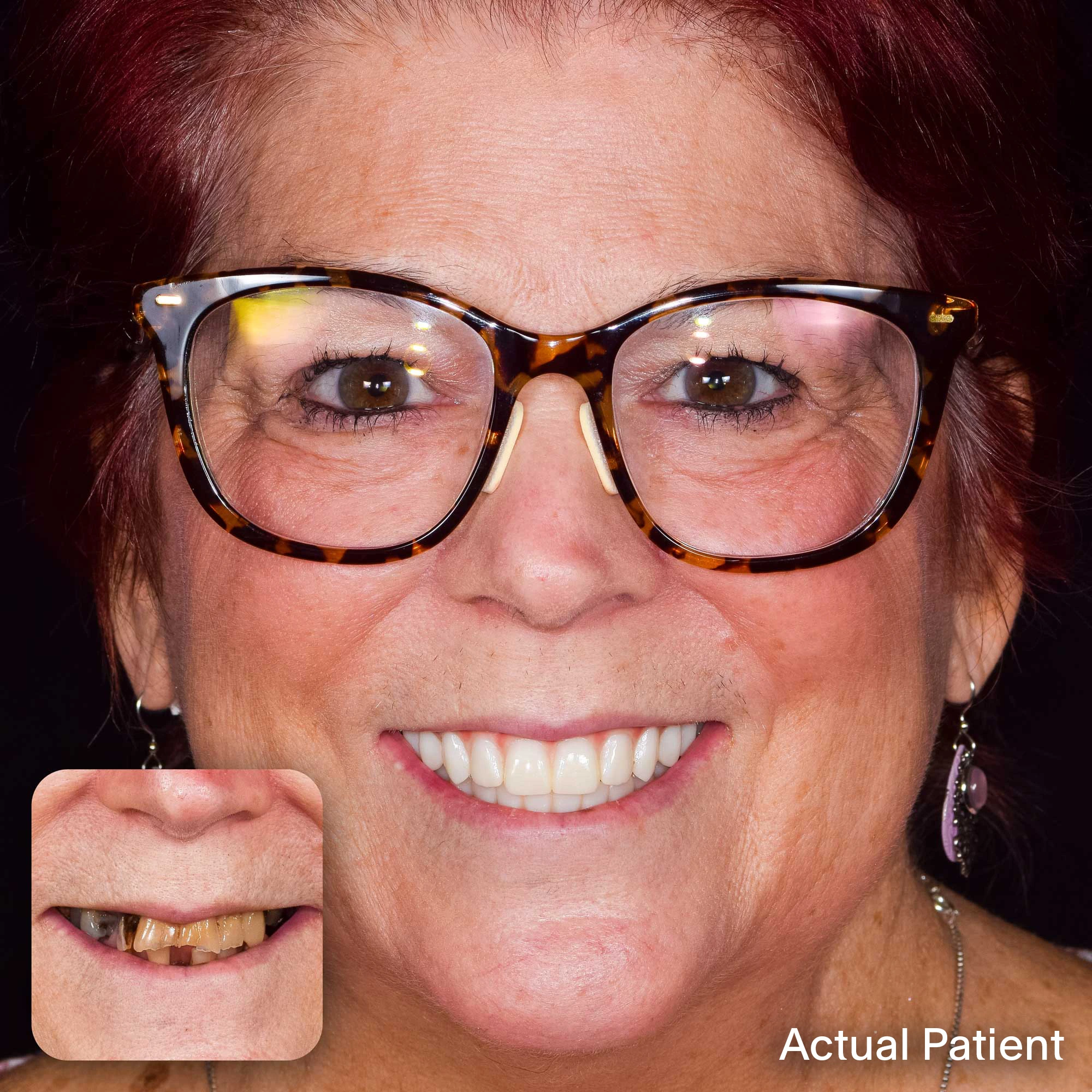
Three missing teeth and the quiet impact they were having on everyday life.
Three missing teeth in the same area of the mouth creates a gap that affects more than appearance. The remaining teeth either side carry more load than they were designed to. The jawbone beneath the gap begins to resorb without the stimulation of tooth roots. And the ability to eat comfortably on that side of the mouth is compromised in ways that patients manage around so habitually that they sometimes barely register the restriction any more.
Carl registered it. He came to see me because he wanted the situation resolved properly. Not a partial denture. Not a bridge that required grinding down the adjacent healthy teeth. A fixed, implant-supported solution that would last and that would look like his own teeth.
After a clinical assessment and a review of the available bone using digital planning, the treatment approach was clear. Two implants, precisely positioned using digital guidance, supporting a three-unit bridge that would span all three missing teeth. Clean, efficient, and designed from the outset to deliver the natural result Carl was looking for.
- Planning the treatment
Digital planning that made the outcome precise before surgery began.
The digital planning stage for Carl’s case was what made the outcome predictable. By mapping the implant positions digitally before placing anything, I could confirm that two implants would provide sufficient and well-distributed support for the three-unit bridge, and that each implant would be placed in the location that optimised both the structural outcome and the aesthetic result above the gumline.
Digital planning is particularly valuable in cases like Carl’s because the bridge design and the implant positions are interdependent. Getting the implants right is partly about where the teeth above them need to sit, not just about where the bone below them happens to be. Planning both simultaneously is what produces a result where everything lines up naturally.
The treatment plan was explained to Carl in full before anything proceeded. The number of implants, the bridge design, the timeline, and the full cost were all confirmed in writing at the consultation.
- Real Patient Results
Thousands of Smiles Transformed
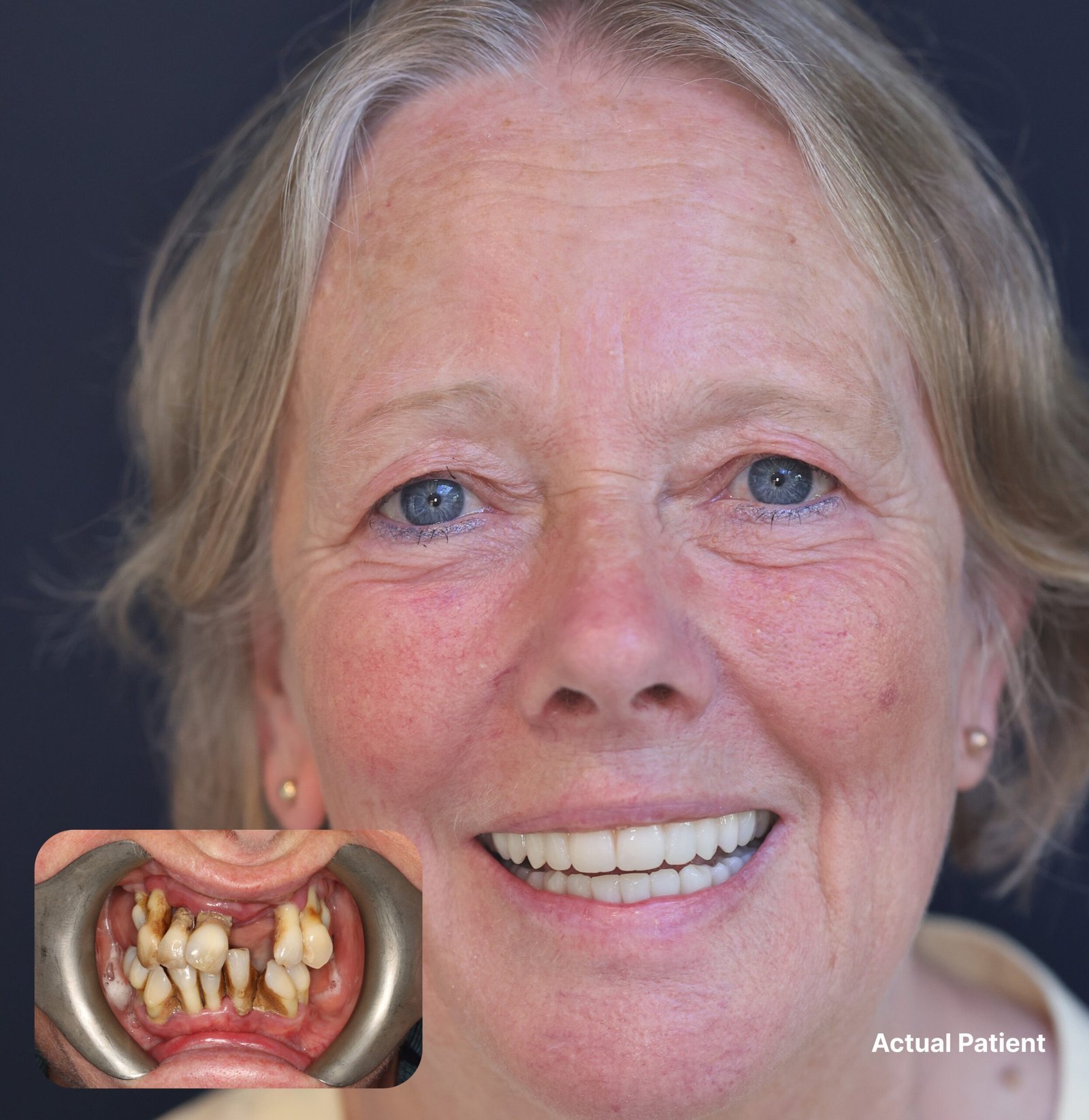
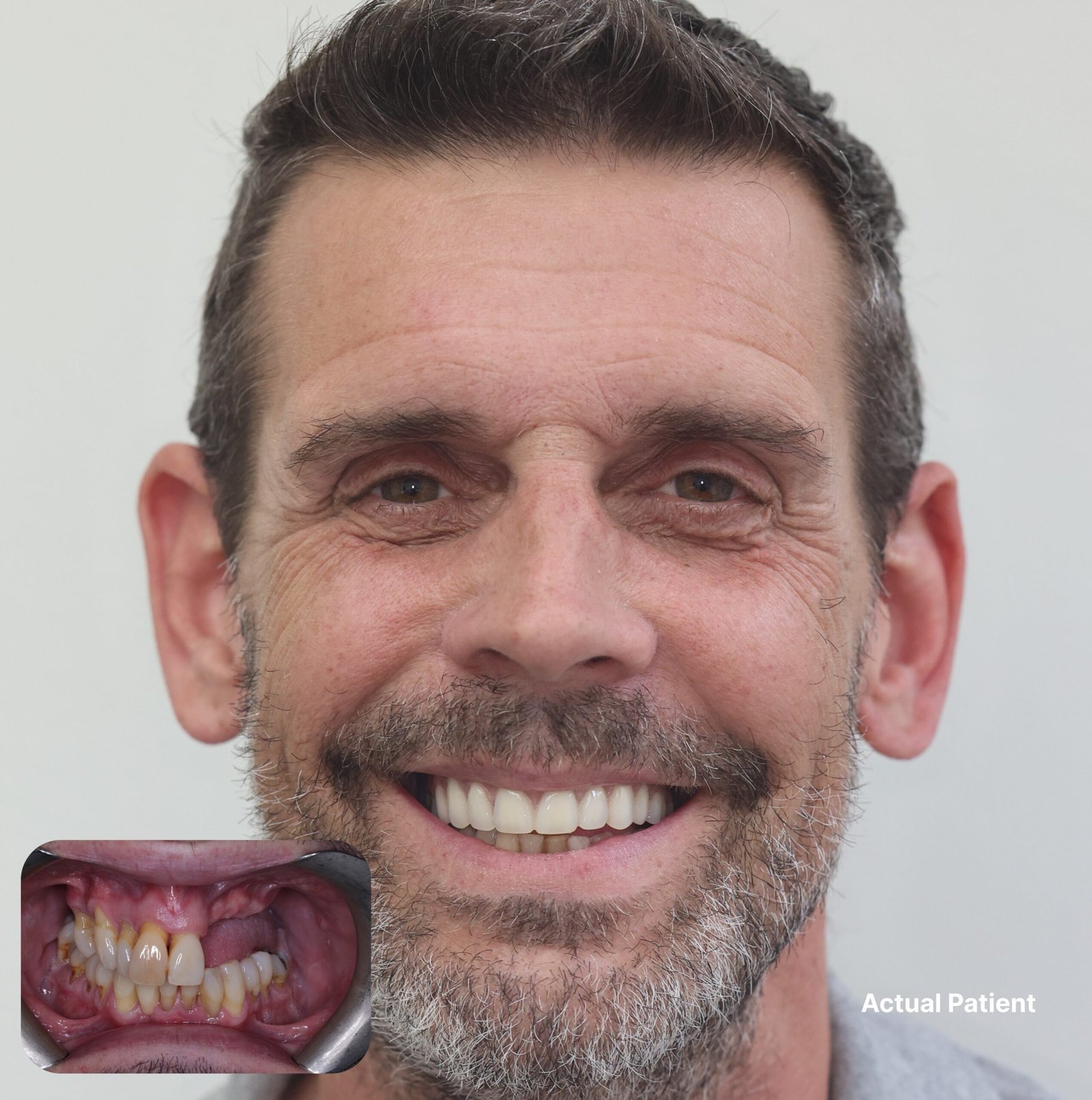
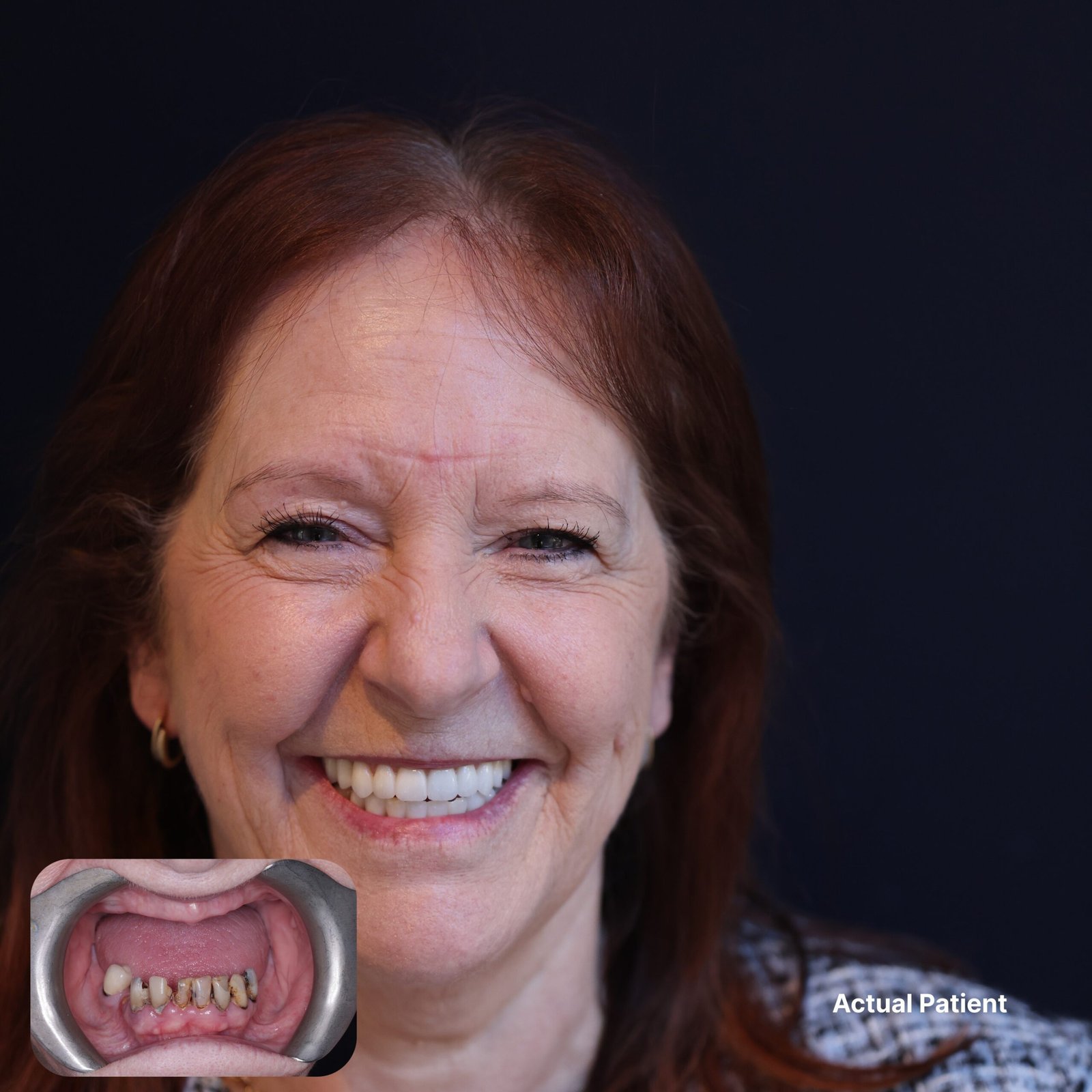
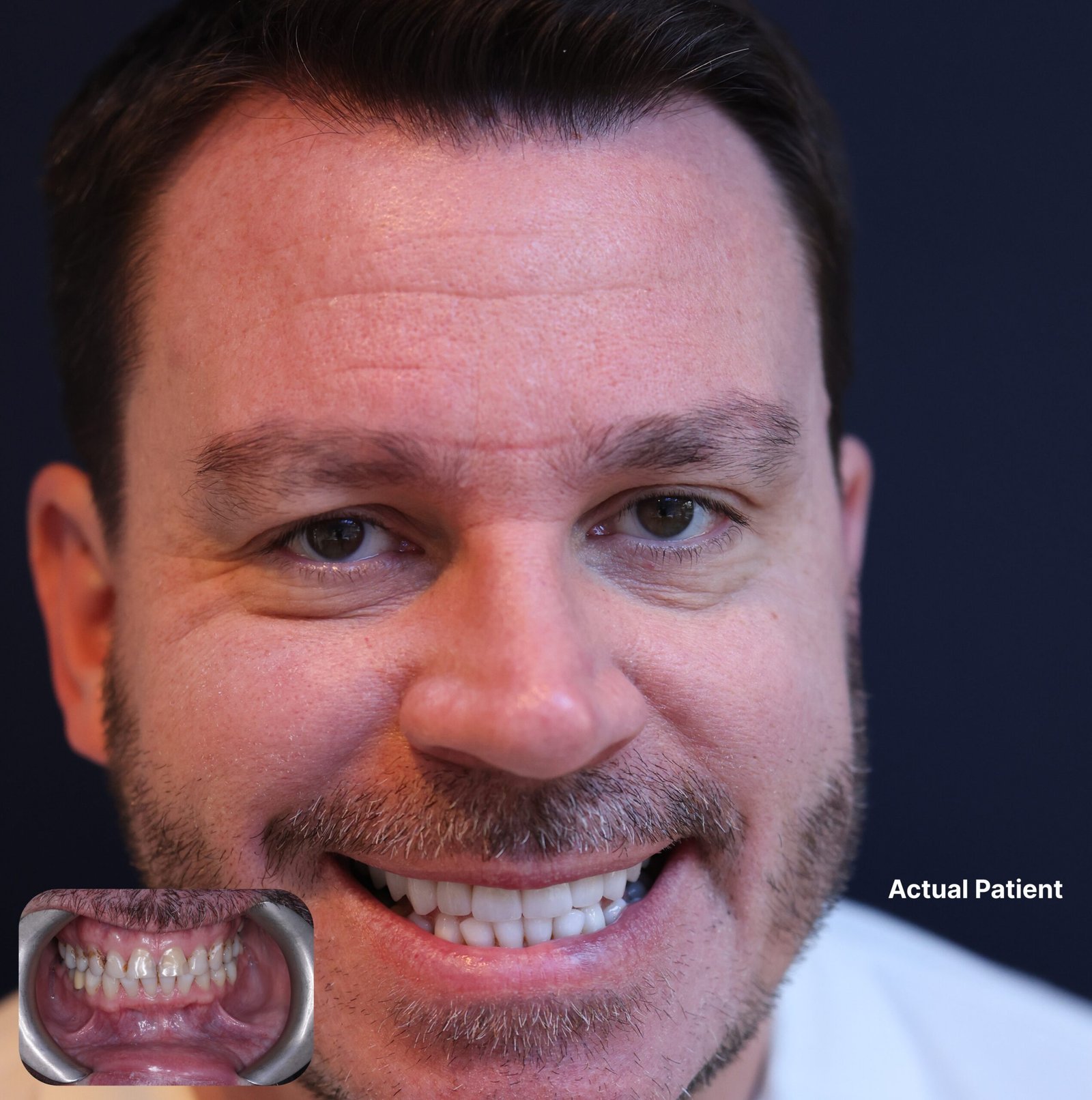
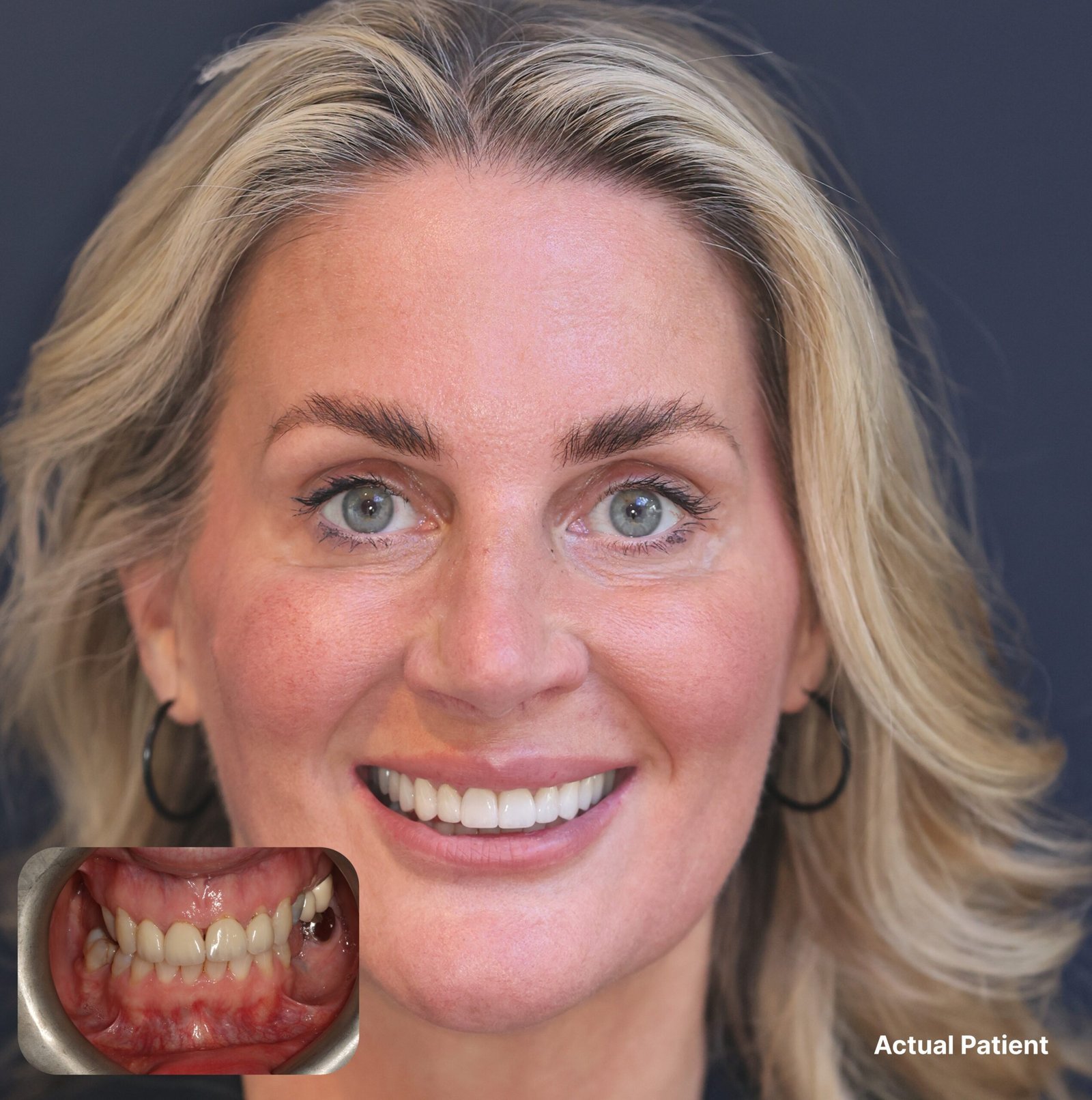
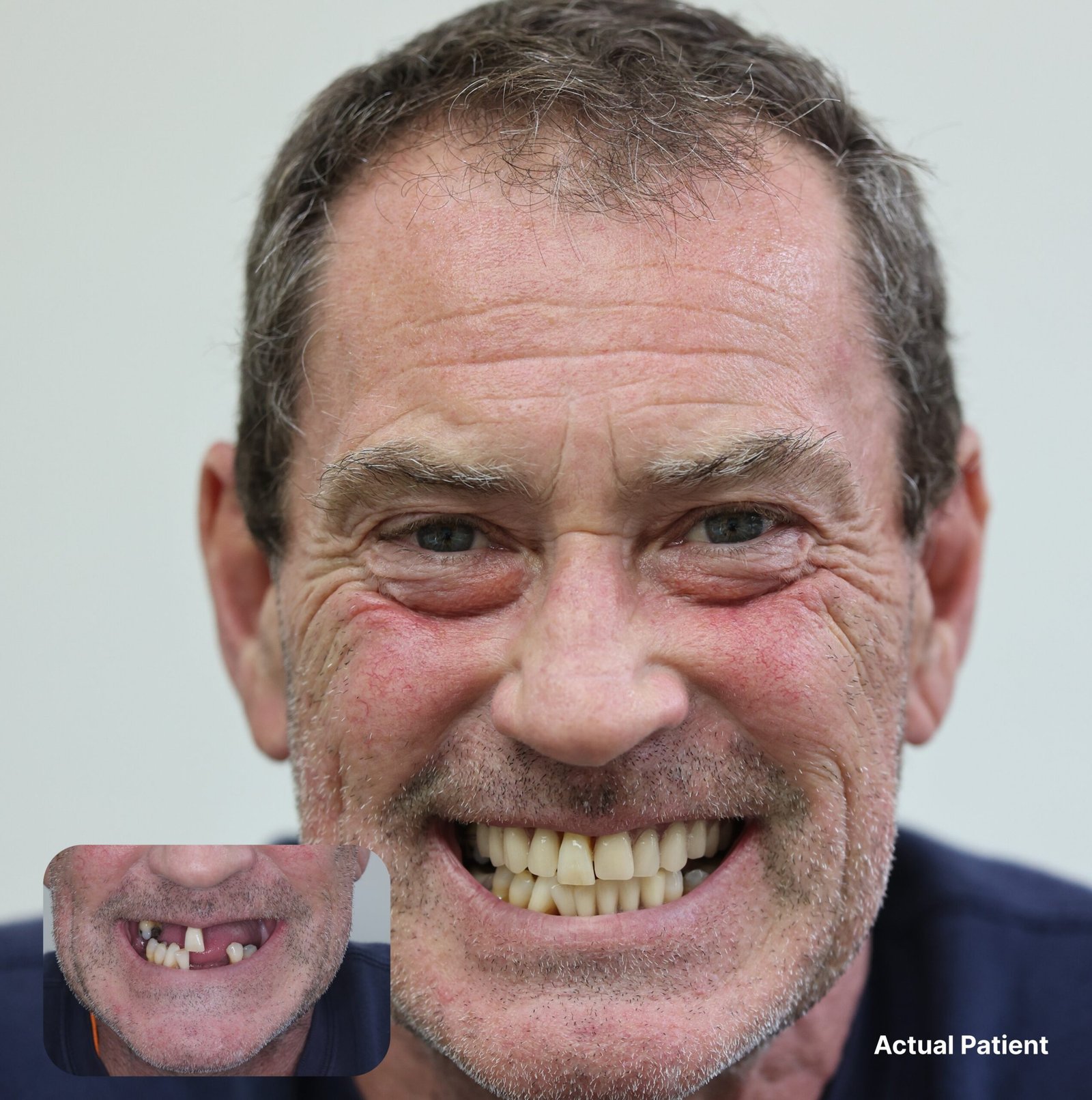
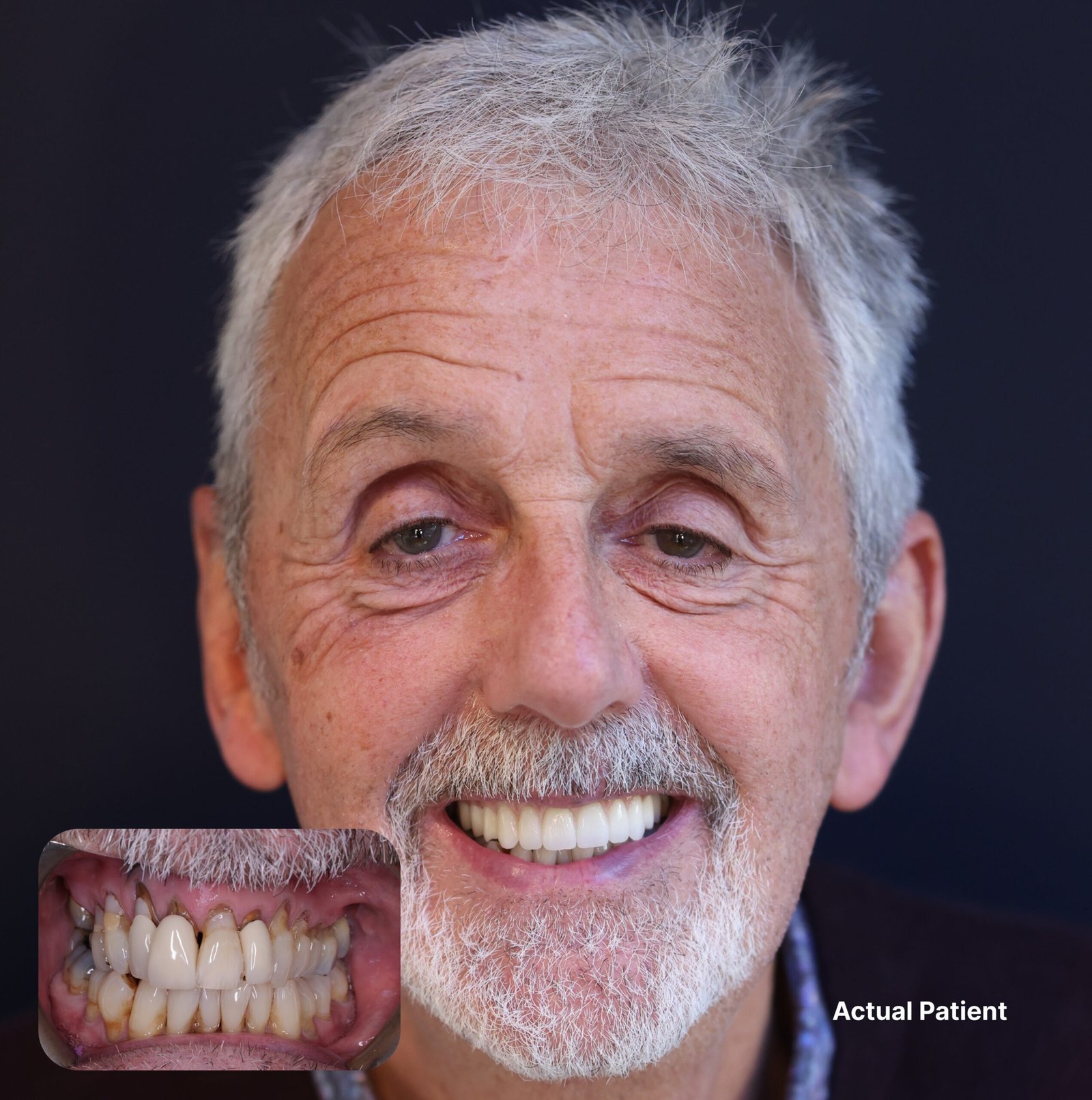
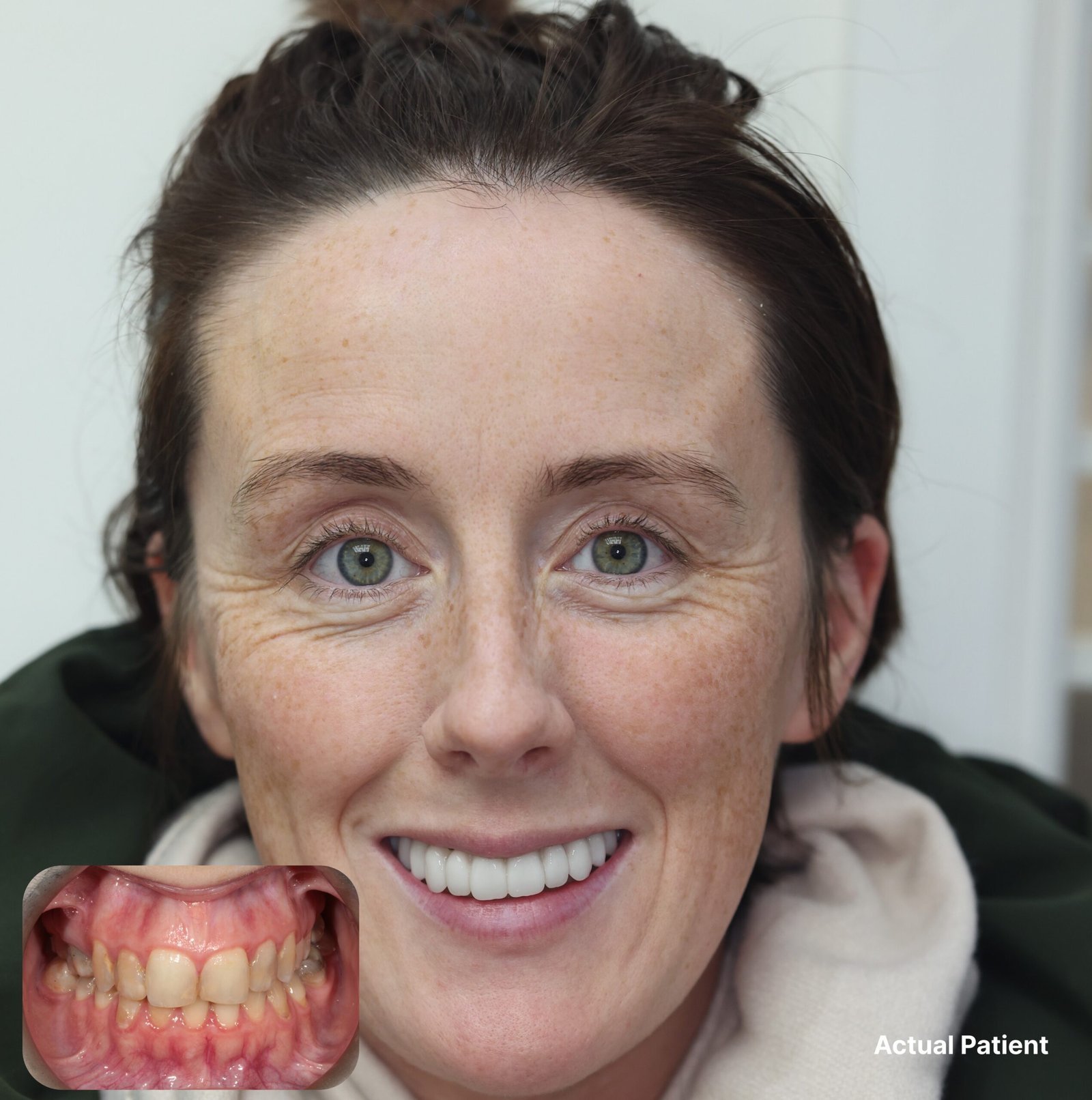
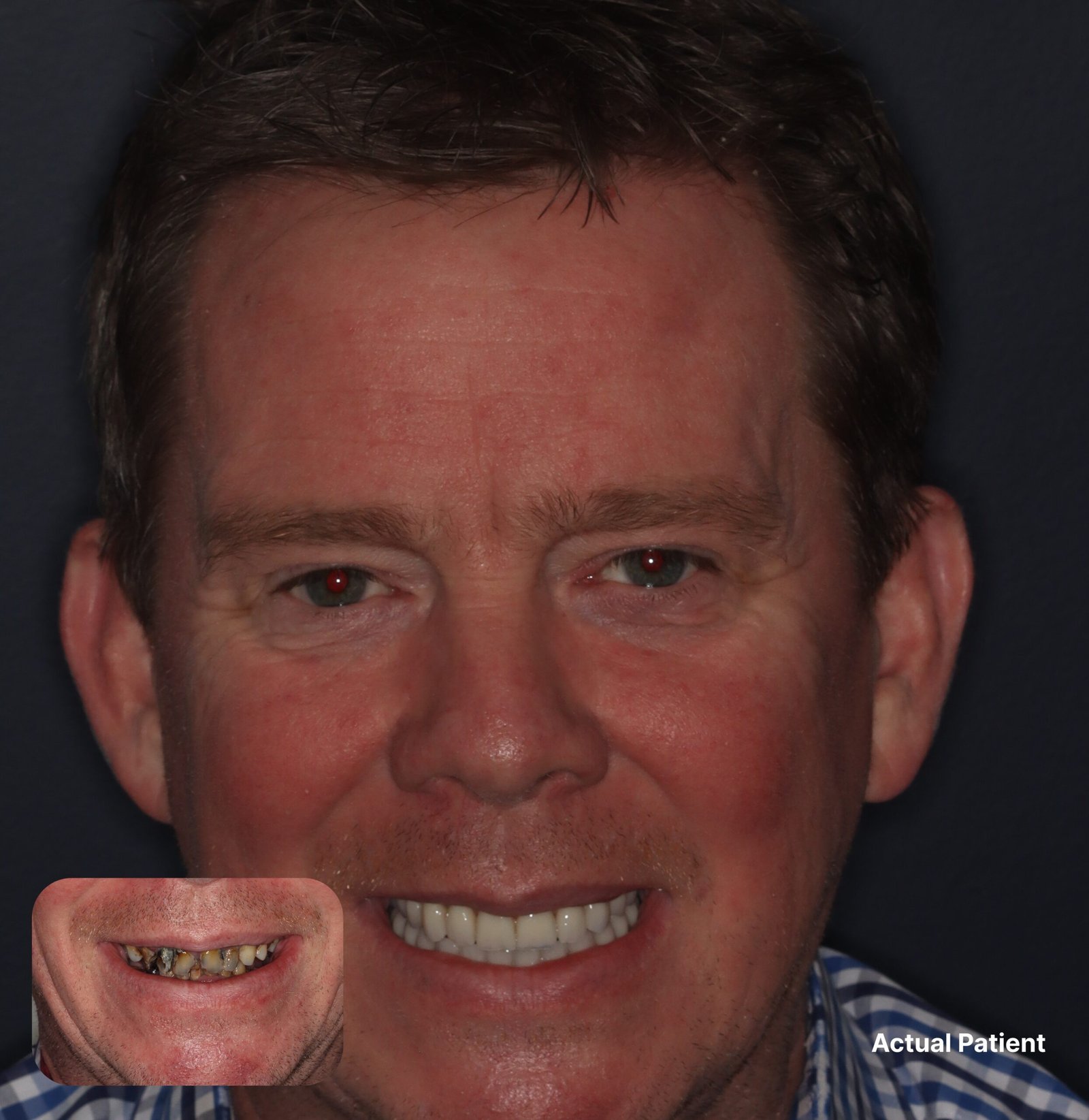
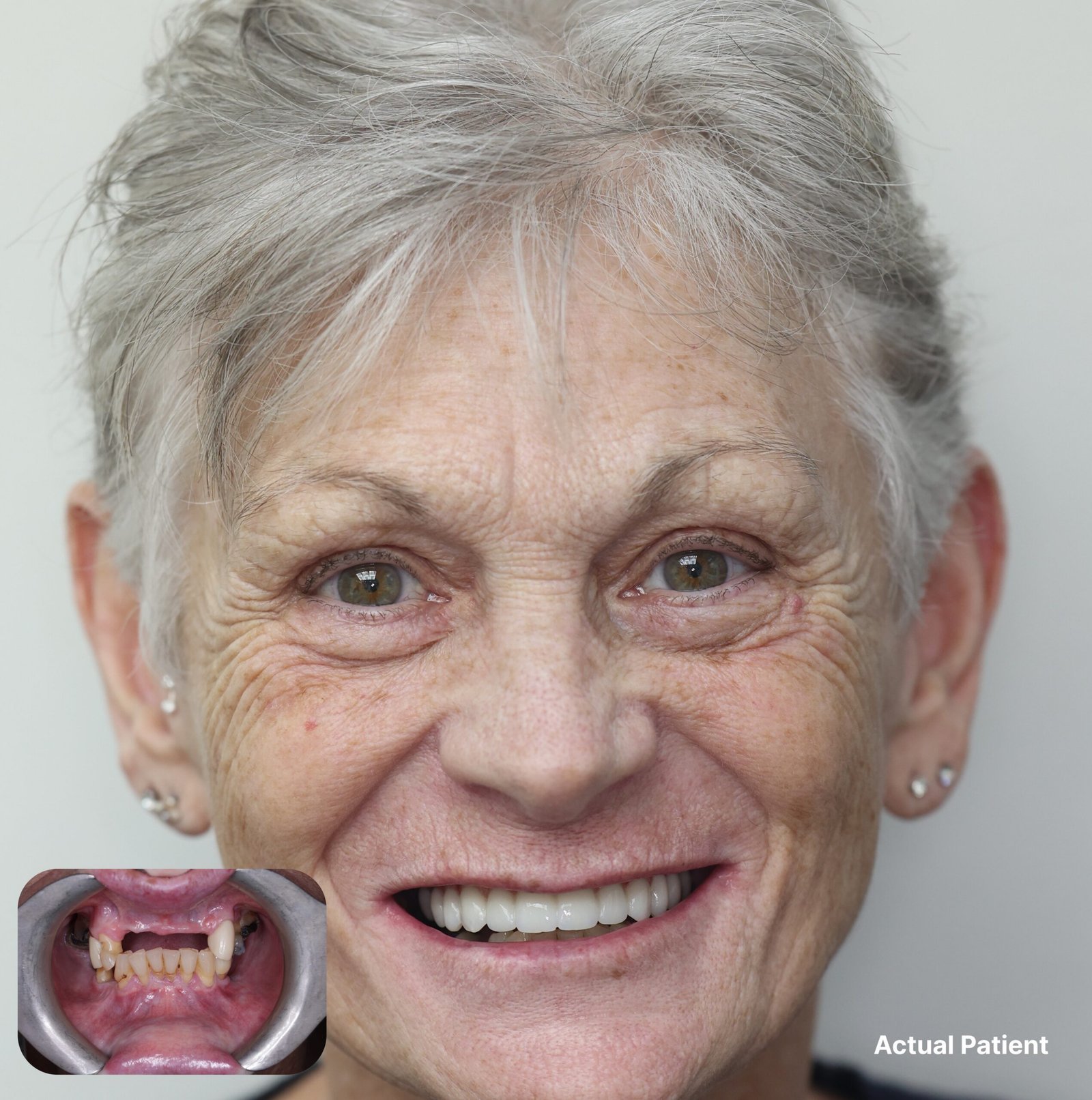
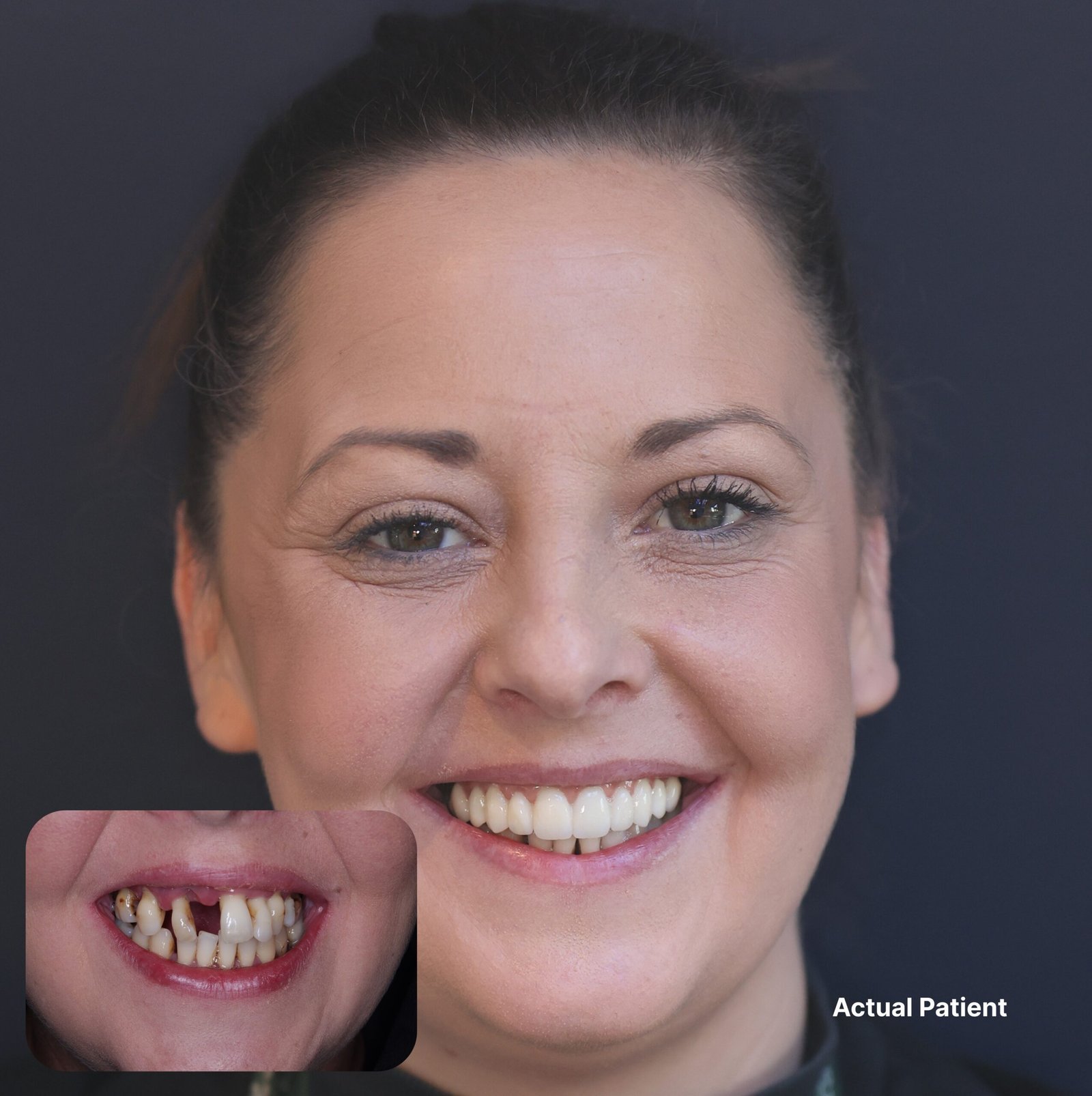
Be our Next Success Story!
Experience personalised dental care designed to help you achieve your dream smile.
Two implants placed. Bridge secured. Result confirmed.
The treatment followed a clear and straightforward sequence.
Two implants were placed into the jawbone at the digitally planned positions, under local anaesthetic. The placement took the implant positions into account precisely as planned, ensuring the final bridge would sit naturally above the gumline and distribute biting forces evenly across both implants.
Following the healing period, during which the implants integrated fully with the surrounding bone, the three-unit bridge was fabricated and fitted. The bridge was designed to match the shade and shape of Carl’s natural teeth, so the restored section of his smile blended seamlessly with what was already there.
At the fitting appointment, the bridge was secured in place to the implants. The bite was checked and confirmed. The result was reviewed together.
Natural. Stable. Permanent.
Not sure where to begin? Speak to someone.
Make an Enquiry
Explore Related Treatments
- The result
A natural result with the full function of normal teeth.
The photographs show the outcome clearly. Three missing teeth replaced by a fixed bridge that is visually indistinguishable from the natural teeth alongside it. The shade is matched. The proportions are right. The gumline sits naturally around the bridge.
Carl can eat comfortably on that side of his mouth again. The foods he had been avoiding or approaching carefully are back on the menu without a second thought. The bridge handles the same biting and chewing forces as natural teeth because it is supported by implants that have integrated with the jawbone, not by adhesive or suction or the natural teeth on either side.
That functional restoration is often the thing patients mention first when they come back for their review. Before the aesthetics, before anything else, they say they can eat properly again. Carl was no different.
- Dr Nikhil reflects
The most conservative solution is almost always the right one.
Carl’s case is a good example of an approach I apply across all implant treatment: use the minimum number of implants needed to achieve a stable, well-designed, long-term result. Not the maximum. Not the most complex option. The most appropriate and conservative one.
Two implants supporting a three-unit bridge is a well-evidenced, highly predictable approach for replacing three adjacent missing teeth. It avoids unnecessary surgery, delivers a fixed result that functions like natural teeth, and leaves the adjacent healthy teeth completely untouched.
For patients who have been told they need one implant per missing tooth, or who have been quoted for a more involved treatment than their case requires, a second opinion is always worth having. The right plan is the one designed specifically for the clinical picture in front of me, not a standard formula applied to every case.
“For every problem, there is a solution. It might be challenging, but it is almost always possible.”
“We were able to achieve a natural result which enables Carl to enjoy the same function as normal teeth when eating.” — Dr Nikhil Oberai, on Carl’s outcome
- Treatment involved
Implant-Supported Bridge, Three Missing Teeth
Carl had two dental implants placed using digital planning to support a three-unit fixed bridge replacing three missing teeth. The bridge was fabricated to match the shade and shape of the surrounding natural teeth and was secured permanently to the implants at the fitting appointment. No adjacent healthy teeth were touched.
Implant-supported bridge treatment for multiple missing teeth at my Northwich and Wilmslow practices starts from £5,900. 0% finance is available through Tabeo over 12 months.