Periodontal Disease and Dental Implants by Dr Nikhil Oberai
If you have lost teeth to gum disease and been told that implants are not suitable because of the bone loss involved, I want you to know that this is not always the final answer. Come and let me assess what is actually possible for your case.
What periodontal disease is and what it does to the teeth and jaw
Periodontal disease is one of the most common dental conditions in the UK, affecting a significant proportion of adults at some point in their lives. It begins as gingivitis, the early stage of gum disease, where the gums become red, swollen, and bleed during brushing. Caught at this stage, gingivitis can be reversed with improved oral hygiene and professional cleaning.
The problem arises when gingivitis is not treated and progresses to periodontal disease. At this stage the condition affects not just the gum tissue but the bone and ligaments that support the teeth. Unlike gingivitis, periodontal disease cannot be reversed. It is a chronic condition that, if left unmanaged, leads progressively to tooth mobility and eventually tooth loss.
The bone loss caused by periodontal disease is what makes the situation more clinically complex than simple tooth loss from other causes. The jawbone that supported the teeth does not just reduce in the immediate area of the lost tooth. In patients with severe periodontal disease, widespread bone resorption can occur across multiple sites, which has historically been the reason implants were considered unsuitable.
The key word there is historically.
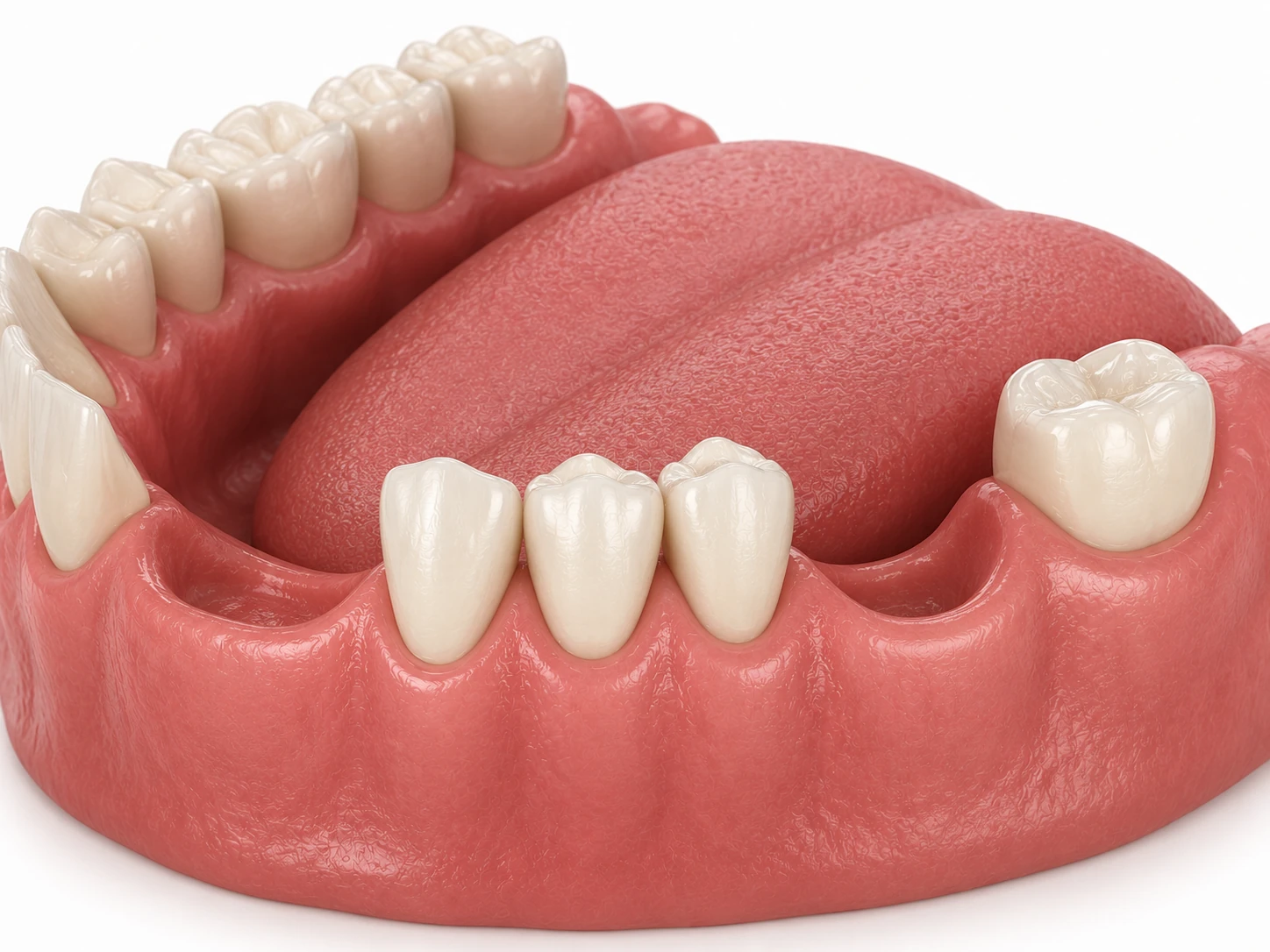
You have been told implants are not an option because of gum disease. I want to revisit that.
The patients who come to see me about tooth loss related to periodontal disease often arrive having already had a discouraging conversation with another dentist. They have been told the bone is compromised. That implants cannot be placed into bone affected by periodontal disease. That a denture is the most realistic option available to them.
I understand why that conclusion gets reached. It reflects a traditional approach to a complex clinical situation. What it does not always reflect is what is possible with advanced implant techniques designed specifically for compromised bone.
- Why patients come to see me
Does any of the points below sound familiar?
You have lost teeth to gum disease and feel you have been left with no good options
Tooth loss is distressing in any context. Tooth loss caused by a chronic disease that you have been managing, and that has progressed despite your efforts, carries an additional weight. And being told that the options for replacing those teeth are limited makes that weight heavier.
You have been offered a denture and it has not been the answer
A conventional denture replaces the visible teeth but does nothing to address the bone loss underneath it. Over time the jawbone continues to recede, the denture fits less well, and the situation becomes progressively more difficult to manage. For patients who have already lost teeth to periodontal disease, this trajectory is one they recognise.
You are worried that gum disease makes you permanently unsuitable for implants
This is one of the most persistent misconceptions I encounter. Active, uncontrolled periodontal disease does make implants unsuitable. Stabilised, well-managed periodontal disease, with the right implant approach, is a different clinical situation entirely.
You have significant bone loss and have been told bone grafting is the only route
For patients with widespread bone loss from periodontal disease, the prospect of bone grafting before implant placement can feel like an obstacle rather than a solution. Advanced implant techniques including pterygoid implants, transinus implants, and zygomatic implants were developed specifically to work around bone loss rather than require it to be rebuilt first.
The good news is, losing teeth to gum disease does not have to mean a lifetime with dentures.
Modern implant dentistry has developed techniques specifically designed for patients with compromised bone. The key insight behind the most advanced of these techniques is that rather than trying to replace the bone that is missing, we use the bone that is present, positioned in a way that provides the stability needed for a permanent fixed result.
At my practices in Northwich and Wilmslow, I assess every case individually using a full 3D CT scan that gives me a precise picture of the bone available across the entire jaw. The question I am answering is not whether you have the ideal bone for conventional implants. It is whether you have sufficient bone, at the right locations, for the technique that is most appropriate for your specific anatomy. In many cases the answer is yes, even where other clinicians have concluded it is not.
- Real Patient Results
Thousands of Smiles Transformed
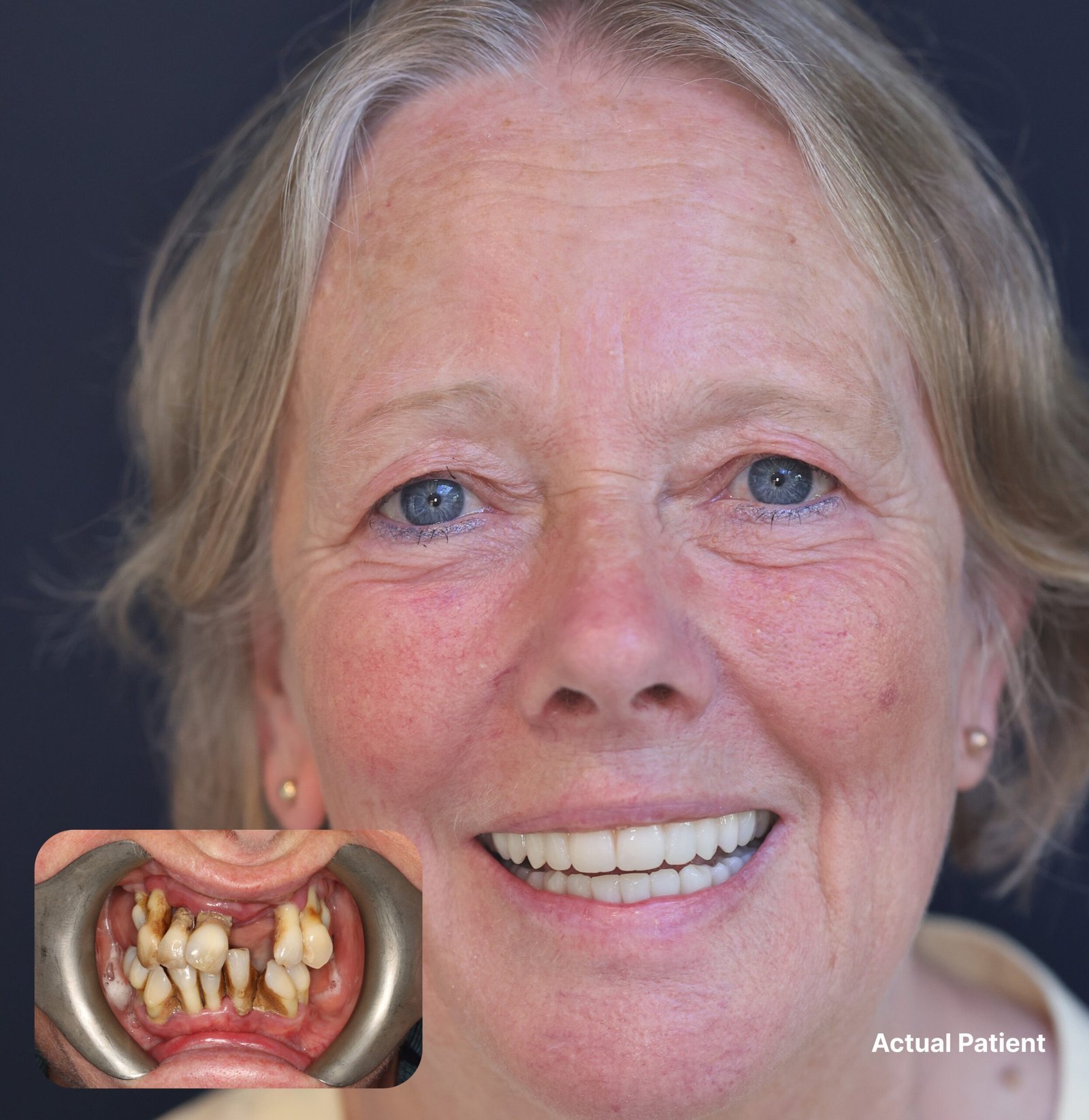
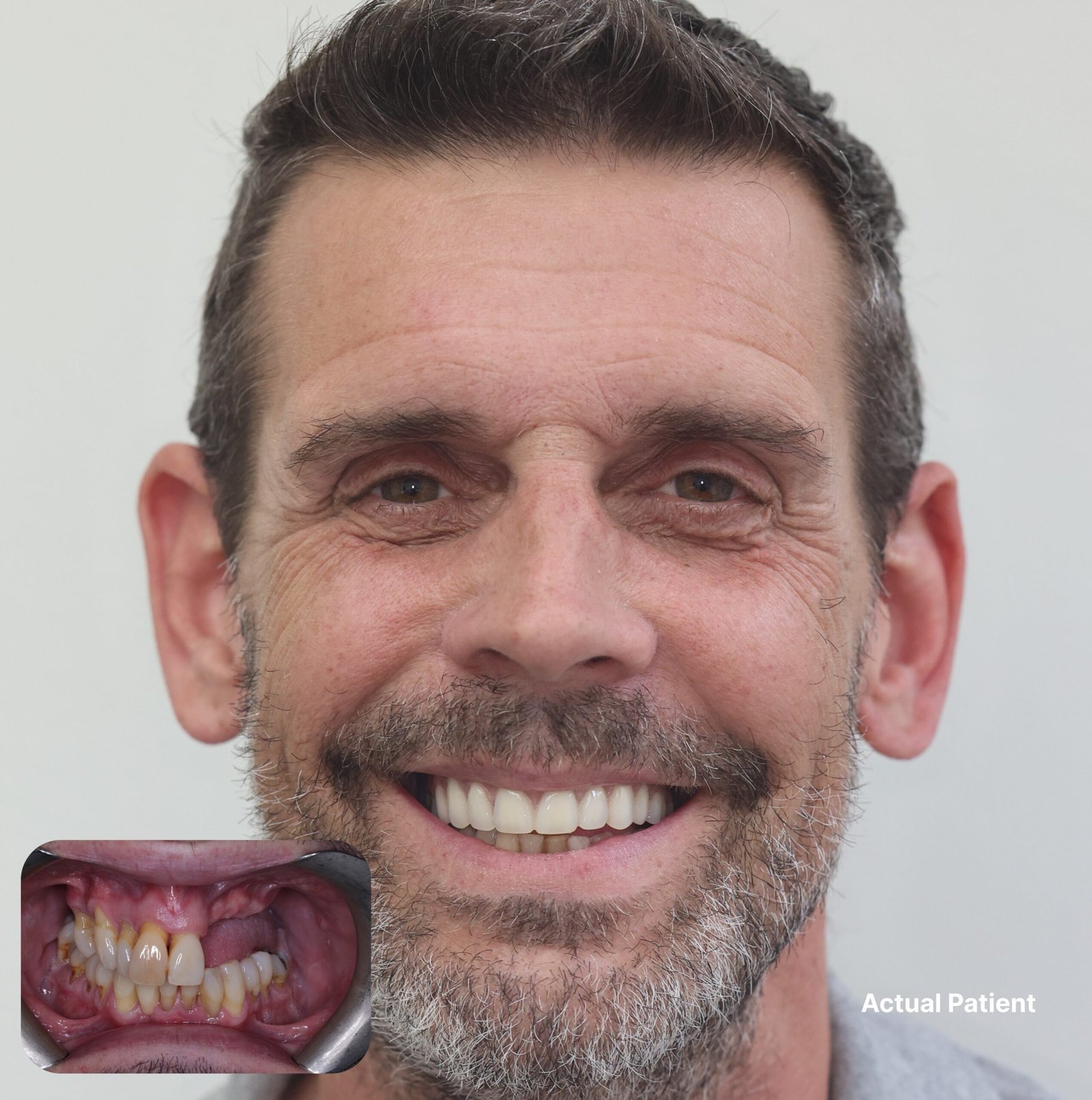
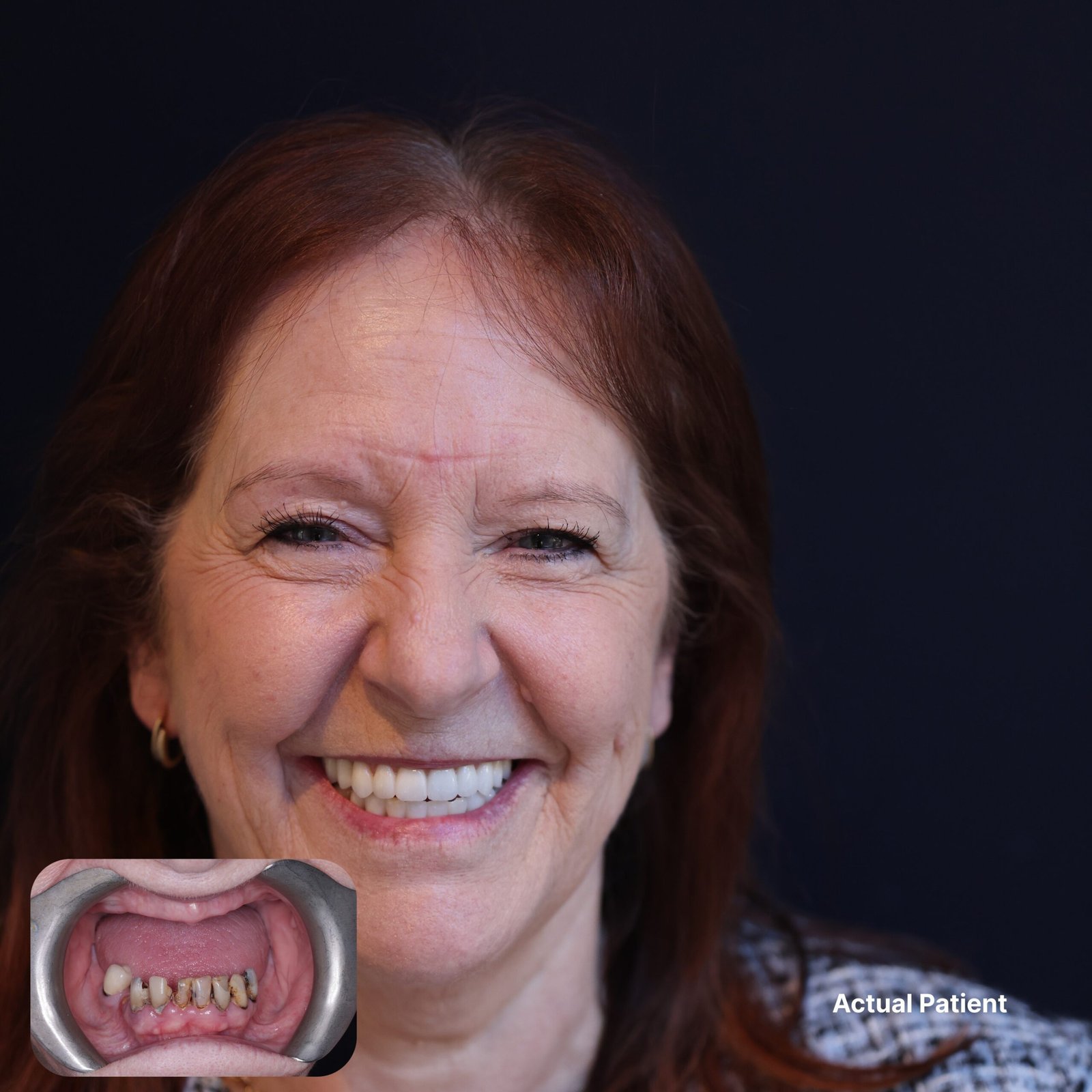
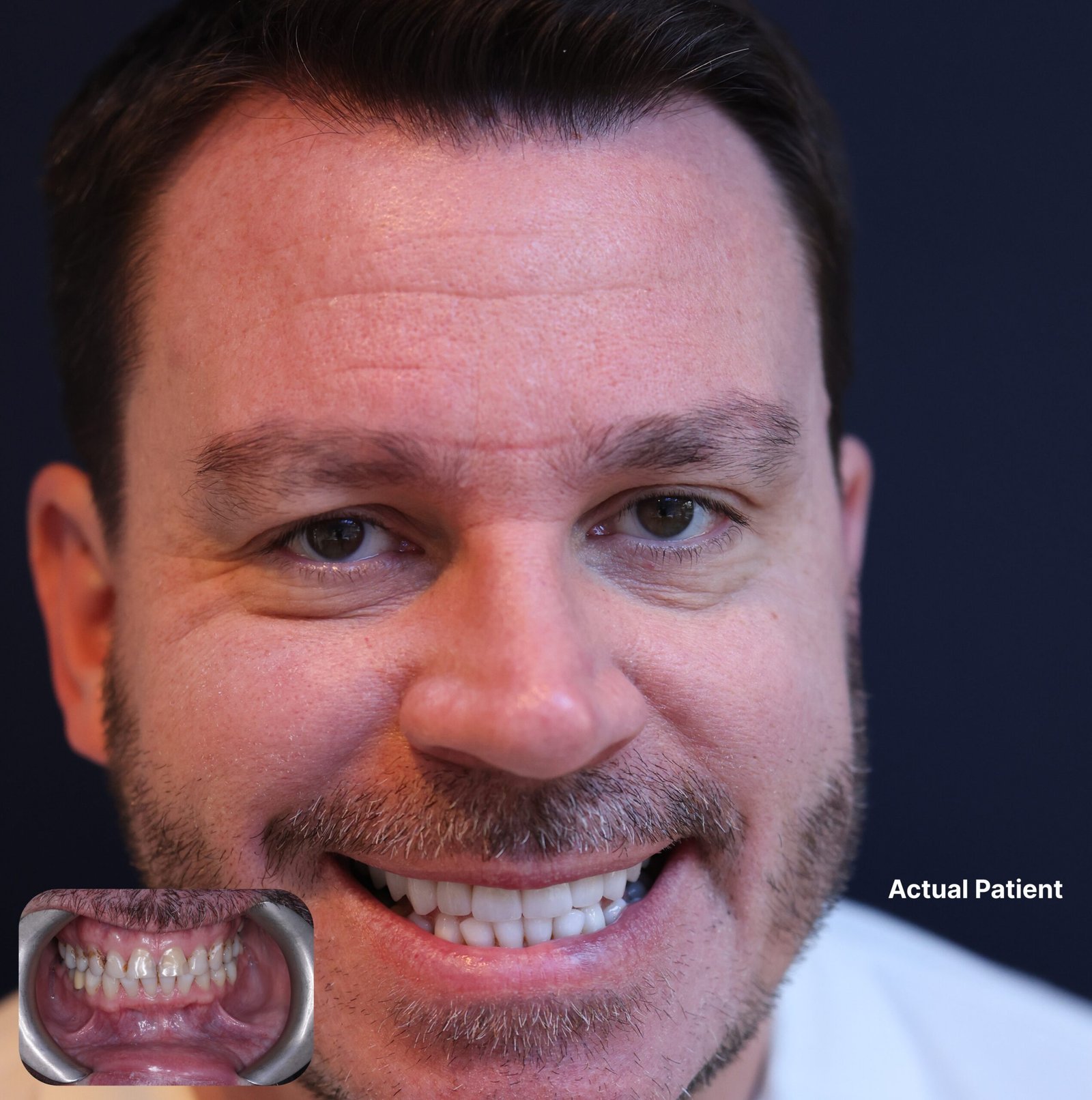
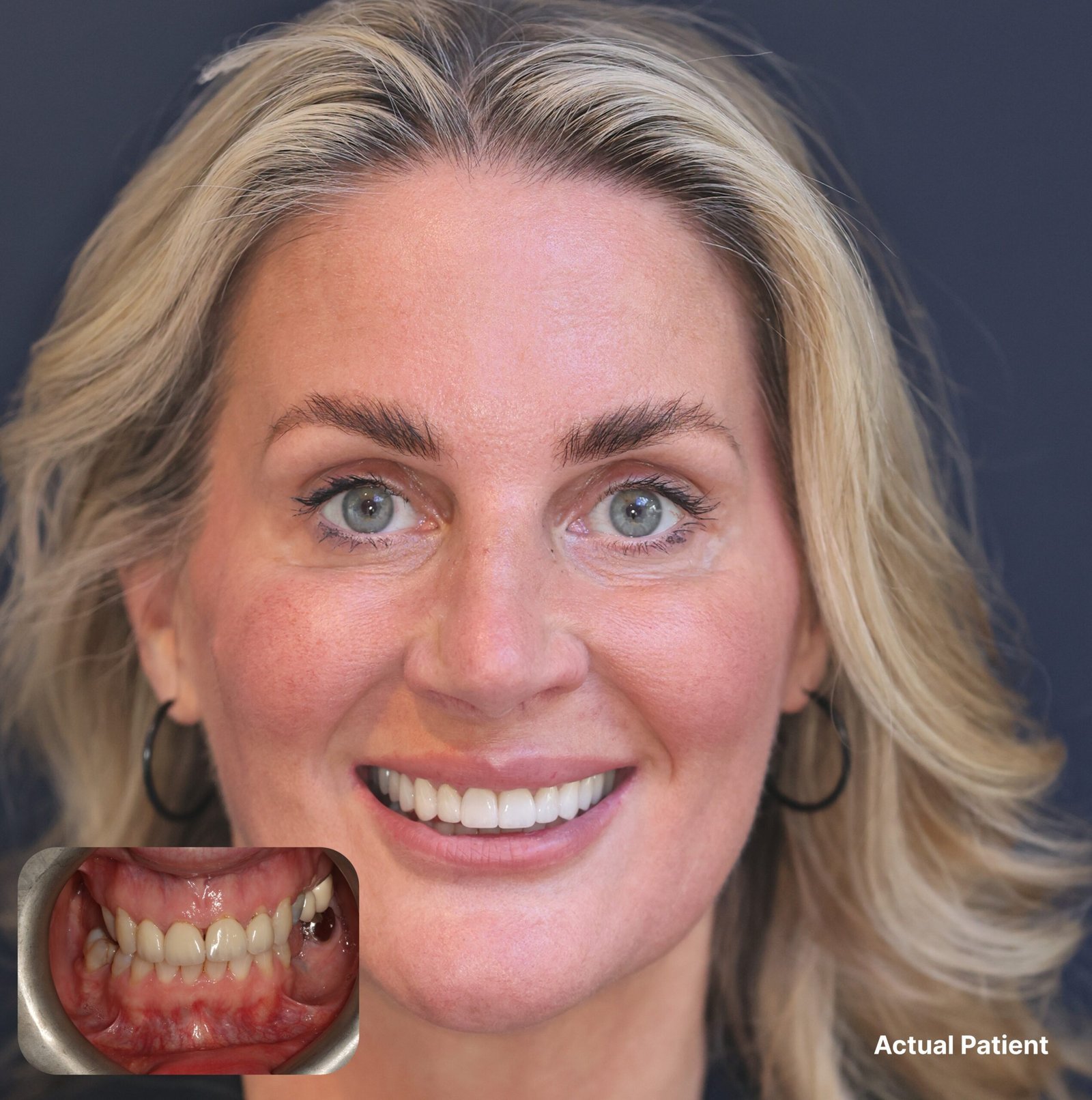
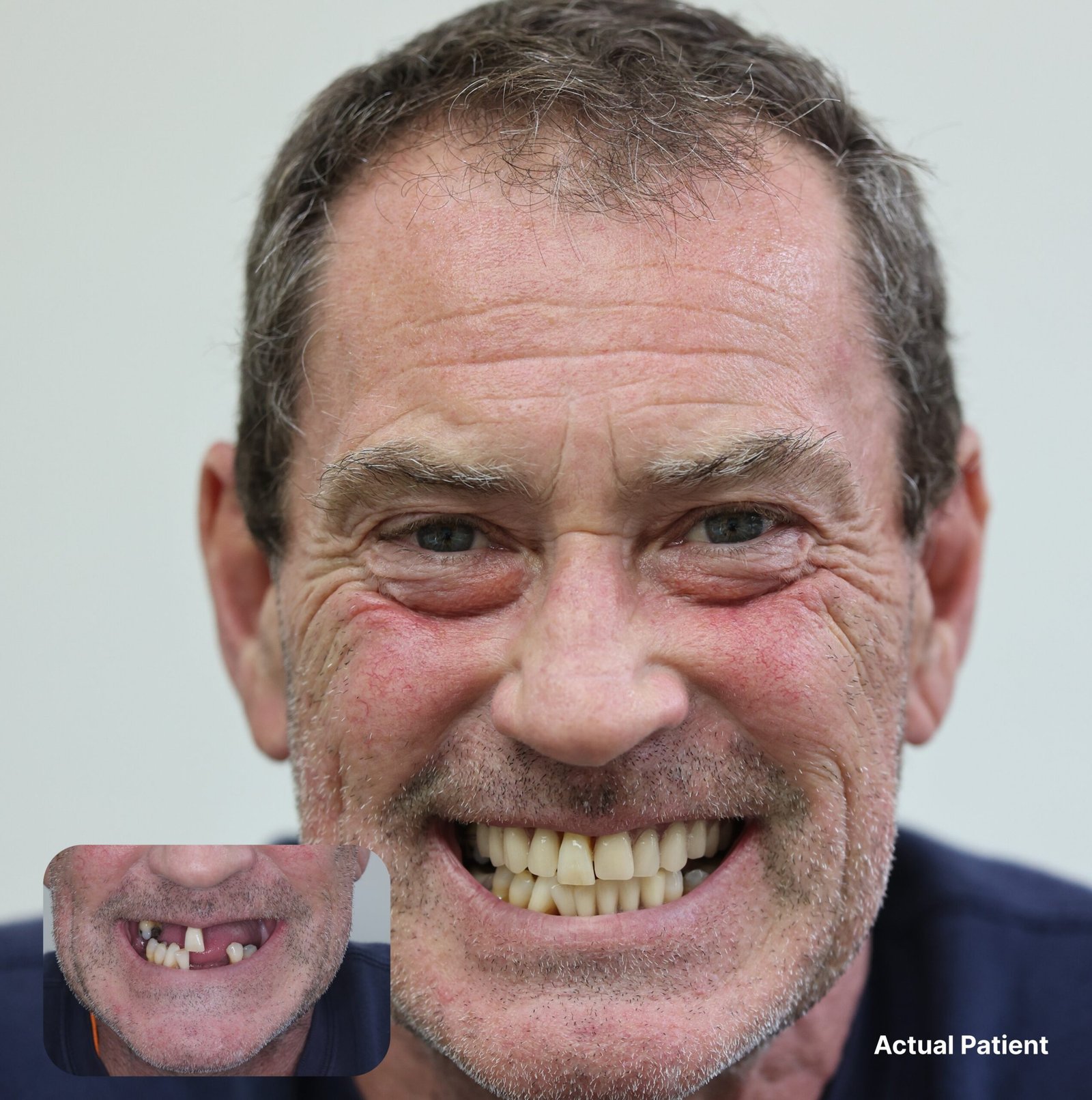
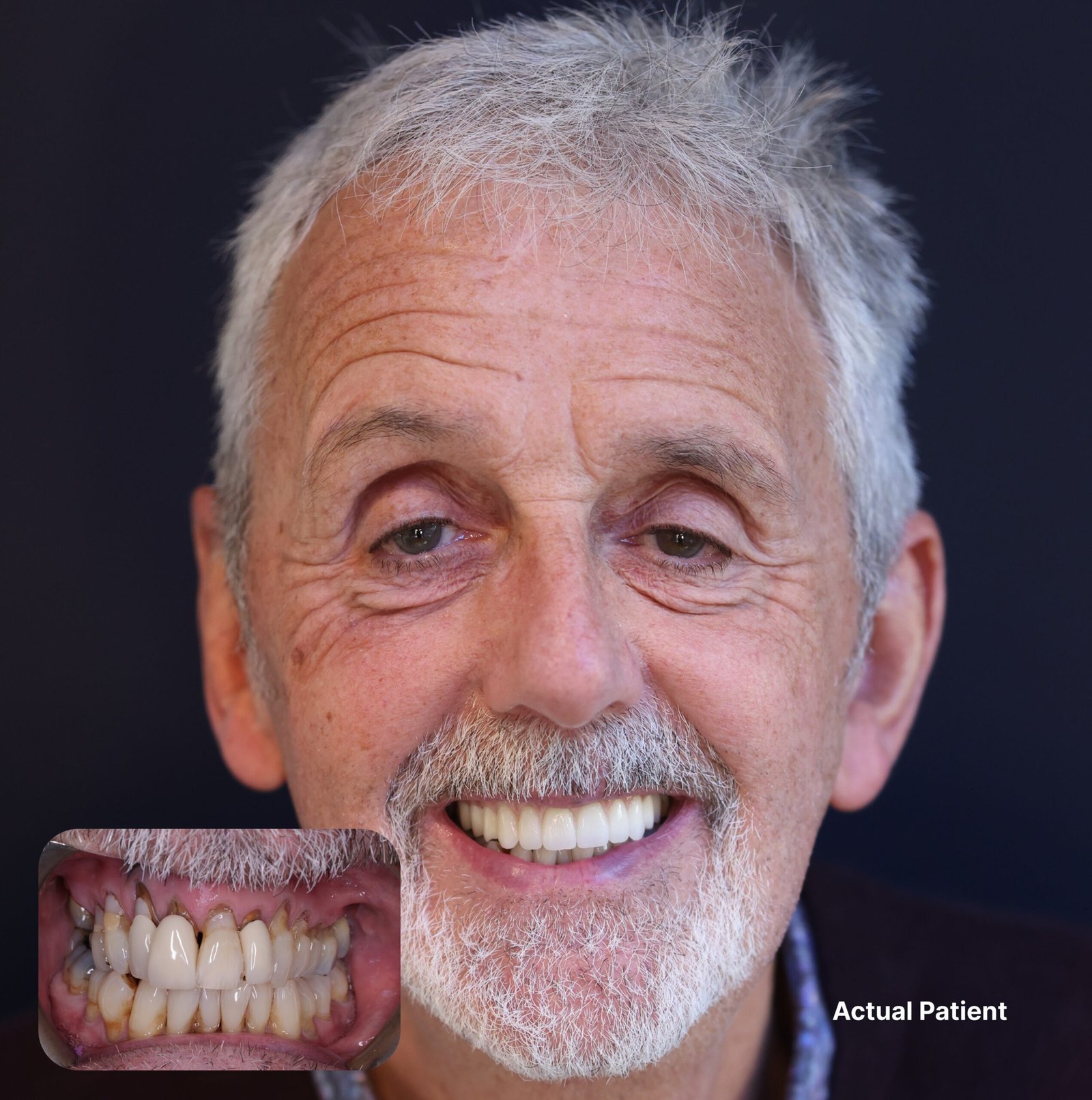
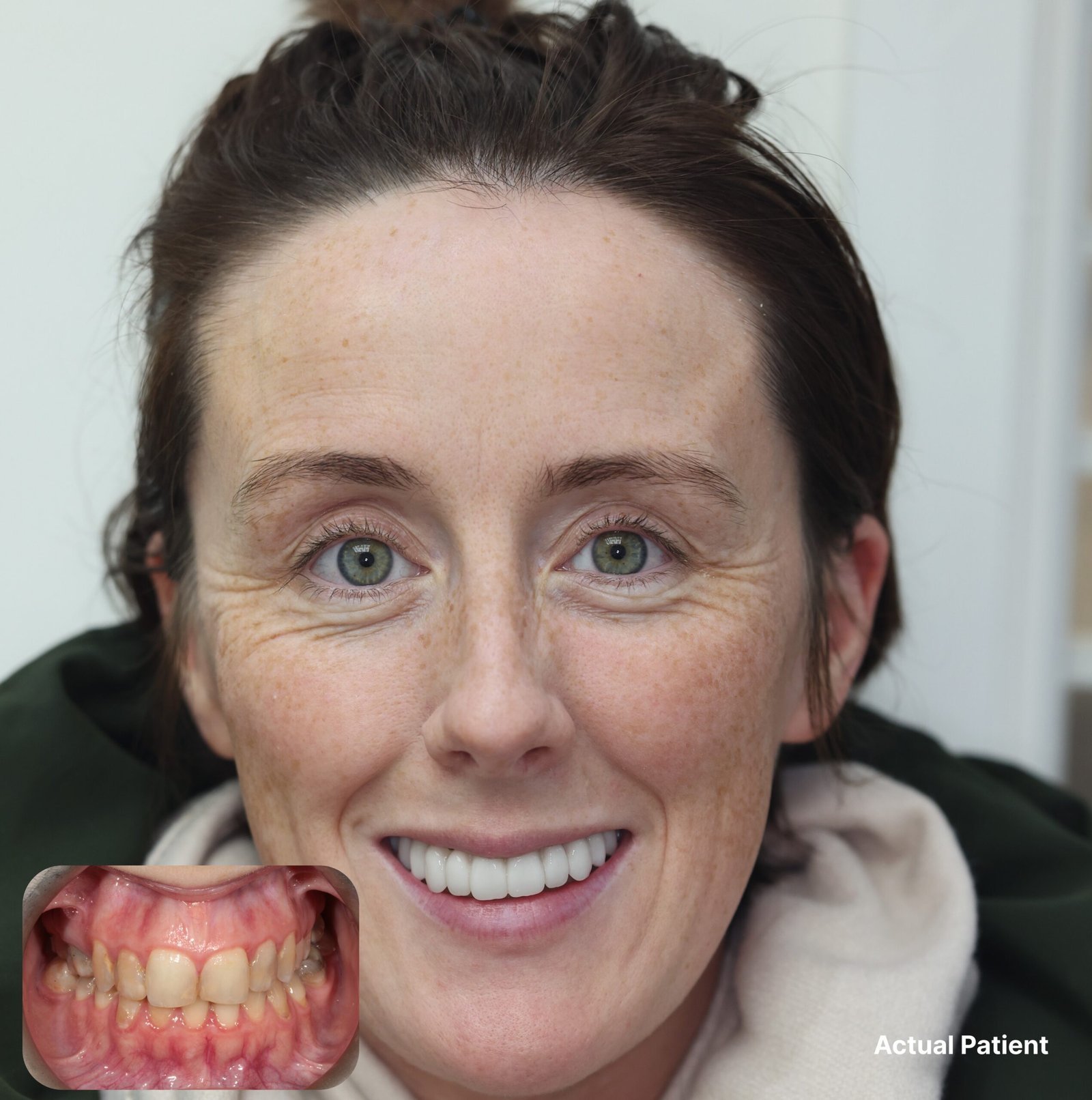
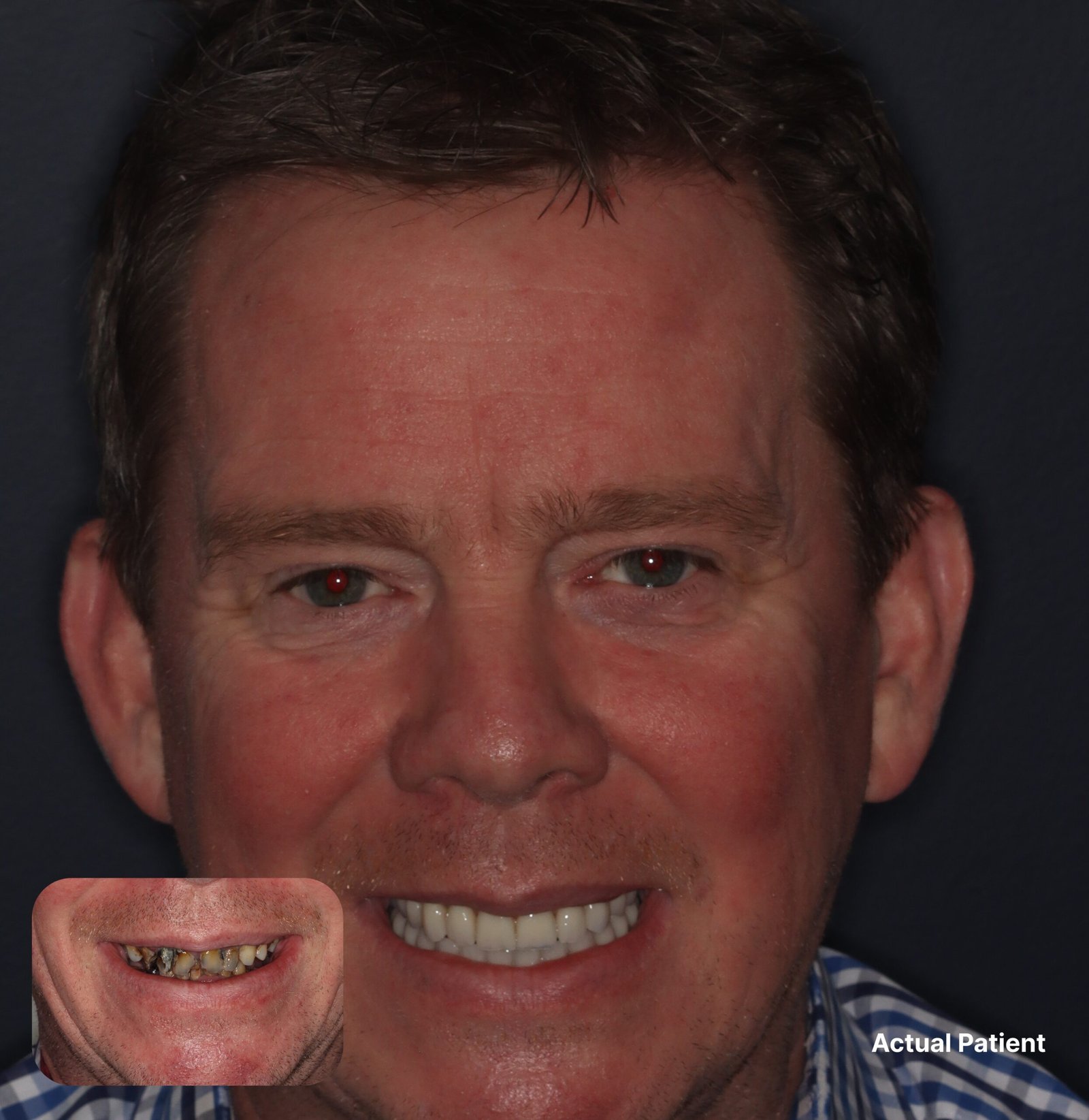
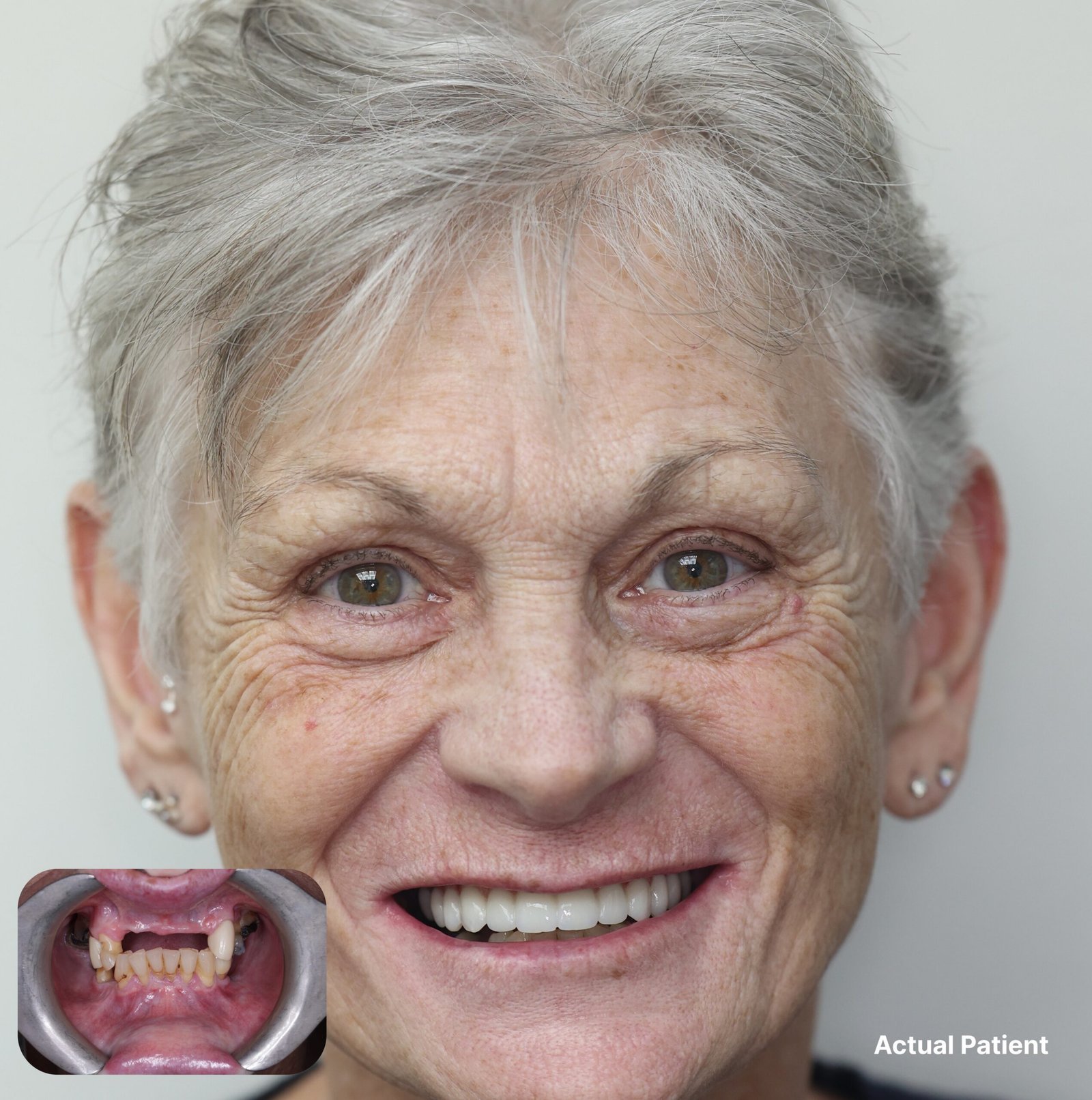
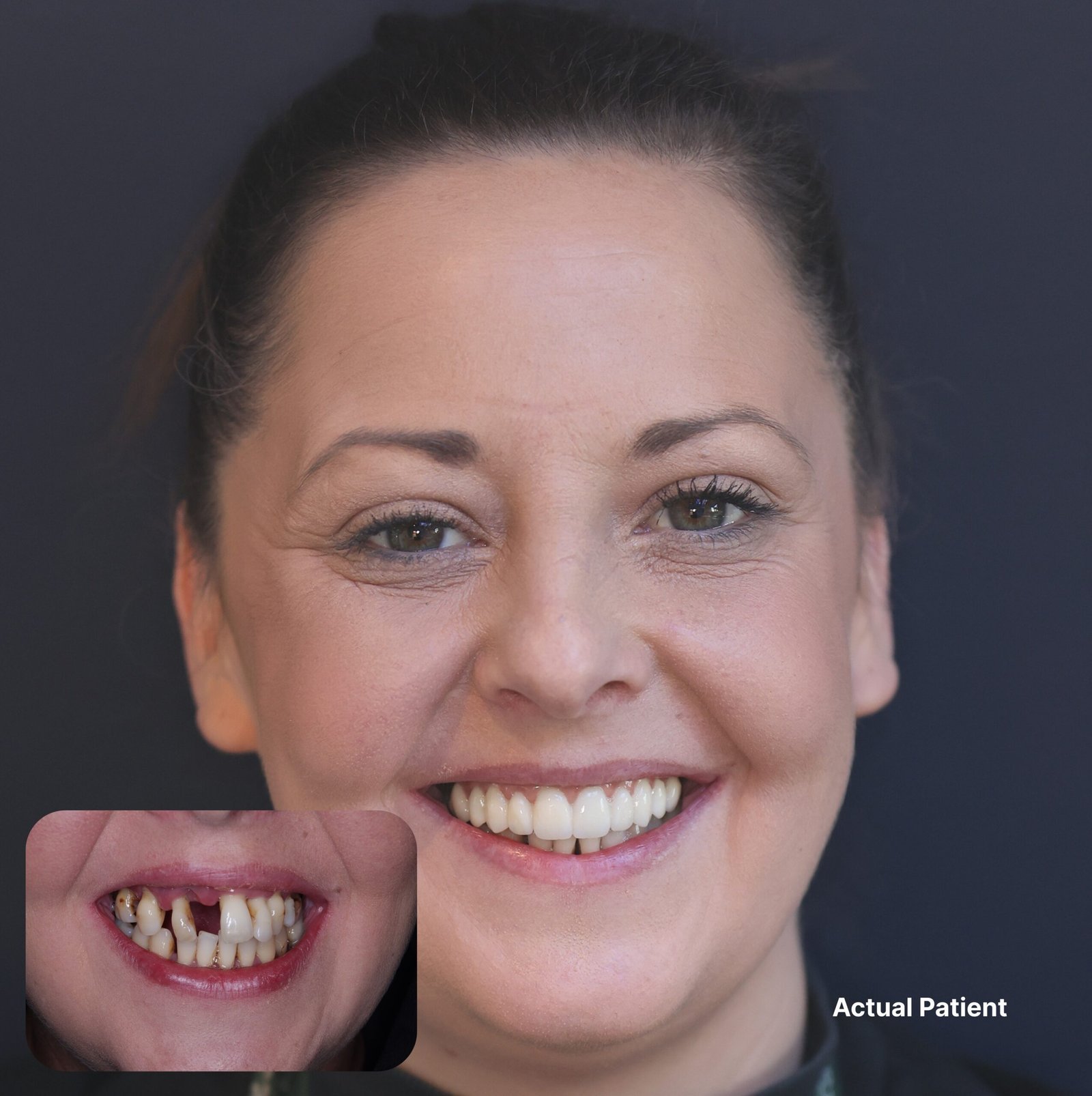
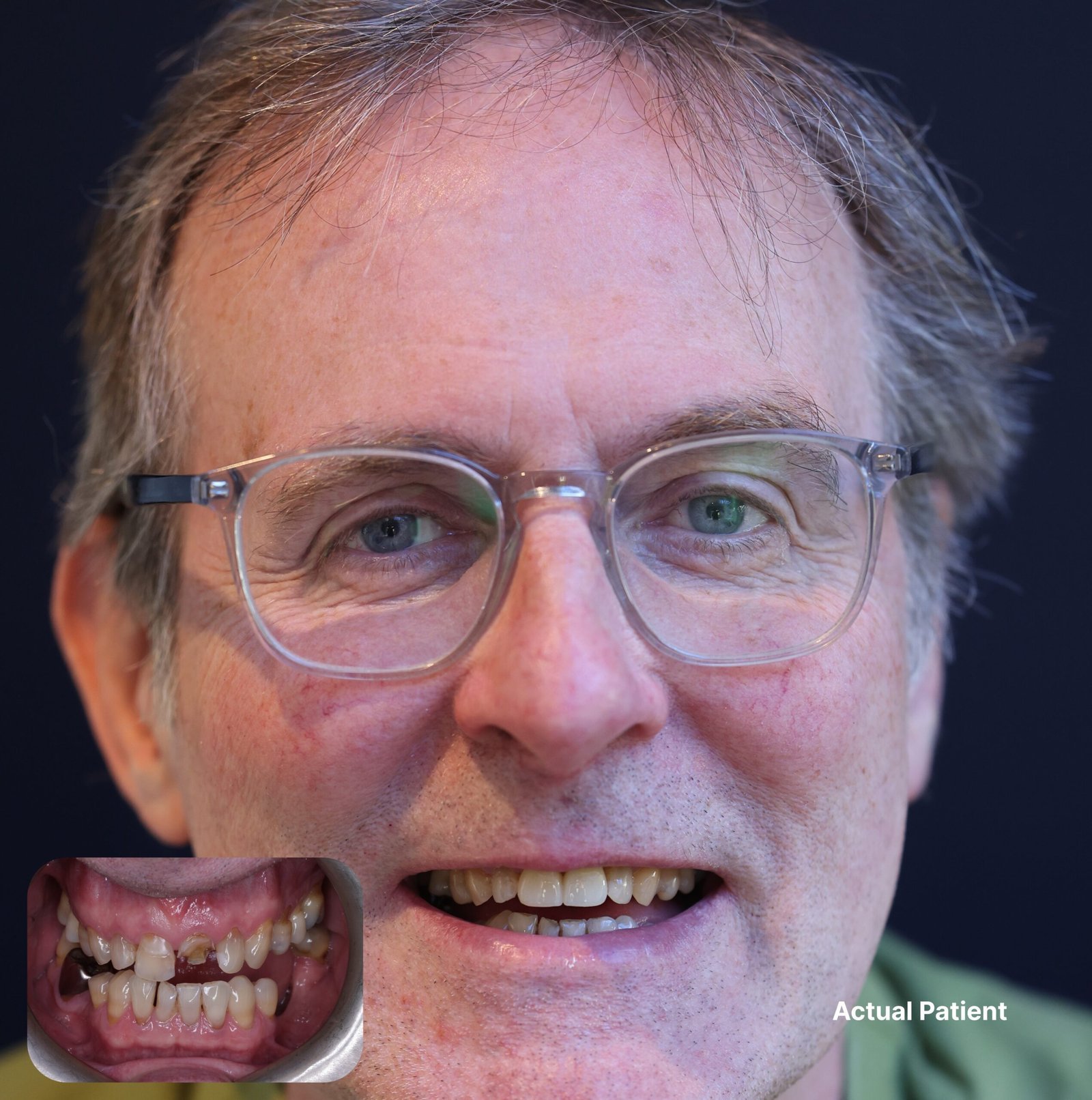
Be our Next Success Story!
Experience personalised dental care designed to help you achieve your dream smile.
Periodontal disease must be stabilised before implant treatment can begin
This is something I always explain clearly at the consultation. Active periodontal disease, meaning gum disease that is currently progressing and has not been brought under control, is a contraindication for implant placement. Implants placed into a mouth with active, uncontrolled periodontal disease are at significantly higher risk of failure.
What this means in practice is that before any implant treatment proceeds, the periodontal disease needs to be stabilised. This is achieved through professional deep cleaning, scaling and root planing, and a consistent oral hygiene routine at home. In some cases a short course of treatment with a specialist is needed before the implant planning begins.
Once the disease is stable, the risks associated with implant placement in a patient with a history of periodontal disease are significantly reduced, and in many cases implants can be placed with a high degree of confidence in the long-term outcome.
I will always be honest with you about where you are in this process and what needs to happen before implant treatment can begin. Nothing proceeds until the clinical conditions are right.
Not sure where to begin? Speak to someone.
Make an Enquiry
Explore Related Treatments
- Your Dental implant Journey
Here is how I approach implant treatment for patients with periodontal disease
Every case involving a history of periodontal disease requires careful assessment and honest planning. Here is the process from first contact to completed treatment.
Free 3D Smile Assessment
Your consultation is completely free and includes a full cone beam CT scan. The scan gives me a precise picture of the bone available at each potential implant site, the distribution of any bone loss, and the condition of the surrounding tissue. I also review the current status of the periodontal disease to establish whether it is stable and whether any preparatory treatment is needed before implant planning can begin. You leave with a written assessment and an honest account of the options available to you.
Free · Approximately 45 to 60 minutesPeriodontal Stabilisation if Required
Where the periodontal disease is not yet fully stable, a period of periodontal treatment is needed before implant planning proceeds. This might involve professional deep cleaning, scaling and root planing, or a brief course of treatment. I will refer you to an appropriate clinician if specialist periodontal treatment is needed, or carry out the necessary preparation at our practice. Nothing moves forward until the conditions for successful implant placement are in place.
Duration varies · Monitored until stableImplant Planning
Once the periodontal disease is stable, I build a detailed implant plan based on your CT scan. I confirm the technique appropriate for your specific bone distribution, the number and position of implants, and whether any additional preparation is needed. I walk you through every stage before anything is agreed.
Clinical planning · Specific to your anatomyImplant Placement
Implants are placed under local anaesthetic, with sedation available. The placement technique, whether conventional, pterygoid, transinus, or zygomatic, is determined by the planning stage. A fixed temporary restoration is placed on the day of surgery where clinically appropriate.
Day surgery · Technique specific to your case · Sedation availableHealing and Monitoring
The healing period is monitored closely for patients with a history of periodontal disease. I see you at regular intervals throughout the integration period and my team is available at any point for any concerns. Maintaining excellent oral hygiene throughout this stage is essential and my team supports you with guidance and professional cleaning appointments.
3 to 6 months · Closely monitored throughoutFinal Restoration
Once the implants have fully integrated, the permanent restoration is designed, tried in, and fitted. You leave with a complete, fixed smile supported by implants placed correctly into the bone that was available, not the bone that was not.
Final appointment · Approximately 60 to 90 minutes- START WITH A CONSULTATION
What Your Free 3D Smile Assessment Includes:
Full 3D CT Scan
A full cone beam CT scan of your jaw — included at no charge. This gives Dr Nikhil a precise picture of your bone density, nerve positions, and implant suitability.
Written Treatment Plan
You will leave with a full written treatment plan and a complete cost breakdown. Nothing is left vague or estimated.
An Honest Conversation
Dr Nikhil will take the time to understand your situation, answer every question, and give you an honest clinical opinion — with no pressure to proceed.
Finance Options Explained
If 0% finance is right for you, we will walk you through the options in detail so you can make a fully informed decision.
Response Within 1 Working Day
We respond to every enquiry within one working day. Often same day.
- Talk to Our Team
Not sure if you're suitable? Give us a call. There's no obligation.
We understand that choosing a dental implant is a significant decision. Our team is here to answer any questions, with no pressure, no sales tactics, and no obligation to proceed.
- Making the right choice
What is the best implant option for patients with periodontal bone loss?
It is the question patients ask most often before booking. Here is the honest comparison.
| Advanced Implant Solution | Conventional All-on-4 | Overdenture | Conventional Denture | |
|---|---|---|---|---|
| Suitable for significant bone loss | Yes, designed for it | Depends on bone levels | Yes | Yes |
| Bone graft required | No in most cases | Sometimes | No | No |
| Fixed permanently | Yes | Yes | No, removable | No, removable |
| Temporary denture needed | No | Yes, during healing | Yes, throughout | No |
| Palate covered | No | Sometimes | Often yes | Often yes |
| Eat without restriction | Yes | Yes, after healing | Limited | Significantly limited |
| Long-term bone health | Good, implants stimulate bone | Good | Limited | Poor, bone continues to recede |
| Single-day procedure | Yes where appropriate | Sometimes | No | Yes |
- MEET YOUR CLINICIAN
I'm Dr Nikhil Oberai MSC & Dental Implants are all I do
Patients with periodontal bone loss represent some of the most complex and most rewarding cases in implant dentistry. They require thorough diagnostic work, a detailed understanding of how different implant techniques interact with compromised bone, and the clinical experience to know when a case is ready to proceed and when it needs more preparation first.
I hold a Master’s Degree in Dental Implantology from the University of Manchester and have been treating complex implant cases, including those involving significant periodontal bone loss, for over a decade. I teach these techniques at the same institution as an Honorary Clinical Teaching Fellow. My view on these cases is consistent: the question is not whether implants are possible because of a history of gum disease. The question is which approach is right for this specific patient’s anatomy and disease status. In most cases, the right approach exists.
“For every problem, there is a solution. It might be challenging, but it is almost always possible.”
Credentials:
- BDS, University of Manchester (2008)
- MSc Dental Implantology, University of Manchester (2014)
- Honorary Clinical Teaching Fellow — University of Manchester
- Key Opinion Leader — Osstem UK
- External Examiner, BAIRD Implant Course
- Award Winning dentistry
- GDC No. 150126
- Frequently Asked Questions
Every Question Answered Before You Book
Here are the questions our single implant patients ask most often — answered honestly and in plain language.
With normal care, brushing twice daily, flossing, and regular dental check-ups, a dental implant can last the rest of your life. The titanium post typically lasts decades; the porcelain crown may require replacement after 15–20 years but the implant itself remains in place. This is the key reason implants are considered the most cost-effective long-term tooth replacement option.
Most patients report that the procedure itself is surprisingly comfortable. Local anaesthetic is used throughout, and the vast majority of Dr Nikhil’s patients say the experience was far less uncomfortable than they had anticipated. There may be some tenderness and mild swelling for 2–5 days afterwards, which is easily managed with standard over-the-counter pain relief.
The complete treatment, from your free 3D Smile Assessment through to fitting your permanent crown, typically takes 4 - 6 months. The implant placement itself takes 45 - 90 minutes. You then have a healing period of 6 - 12 weeks while the implant integrates with your jawbone, during which you will have a temporary crown so there is never a visible gap.
Most adults in reasonable health are suitable for dental implants. The key factors are sufficient bone density in the jaw and healthy gums. If you have been told you are unsuitable elsewhere due to low bone density, it is worth seeking a second opinion, Dr Nikhil regularly places implants in complex cases, including those requiring bone grafting beforehand. Your free 3D CT scan will give a definitive picture.
At Heritage Smile Group, single tooth dental implants start from £2,550. This is a complete treatment price that includes your consultation, 3D CT scan, implant placement, healing abutment, and custom porcelain crown. There are no hidden costs. 0% finance is available via Tabeo, with monthly payments typically from £71/month over 36 months.
A dental bridge fills a gap by crowning the two teeth on either side and suspending a false tooth between them. This requires drilling healthy adjacent teeth and does not prevent bone loss beneath the gap. A dental implant stands entirely independently, preserves the jawbone, and requires no modification to adjacent teeth. While the upfront cost of an implant is higher, it typically outlasts a bridge significantly and does not compromise neighbouring teeth.
In many cases, yes. Bone grafting can rebuild the volume needed to support an implant — and this is an area of particular expertise for Dr Nikhil Oberai. Your 3D CT scan will show exactly how much bone you have. If grafting is recommended, it will be included in your written treatment plan with full costs.
The first step is a free 3D Smile Assessment at one of our Cheshire practices — Croft Dental in Wilmslow (SK9) or Brunner Court in Northwich (CW9). This includes a full cone beam CT scan, a clinical assessment by Dr Nikhil, and a written treatment plan with a complete cost breakdown. You are under no obligation to proceed. Book using the form on this page, call 01625 523 524 (Wilmslow) or 01606 440 394 (Northwich), or request a callback.